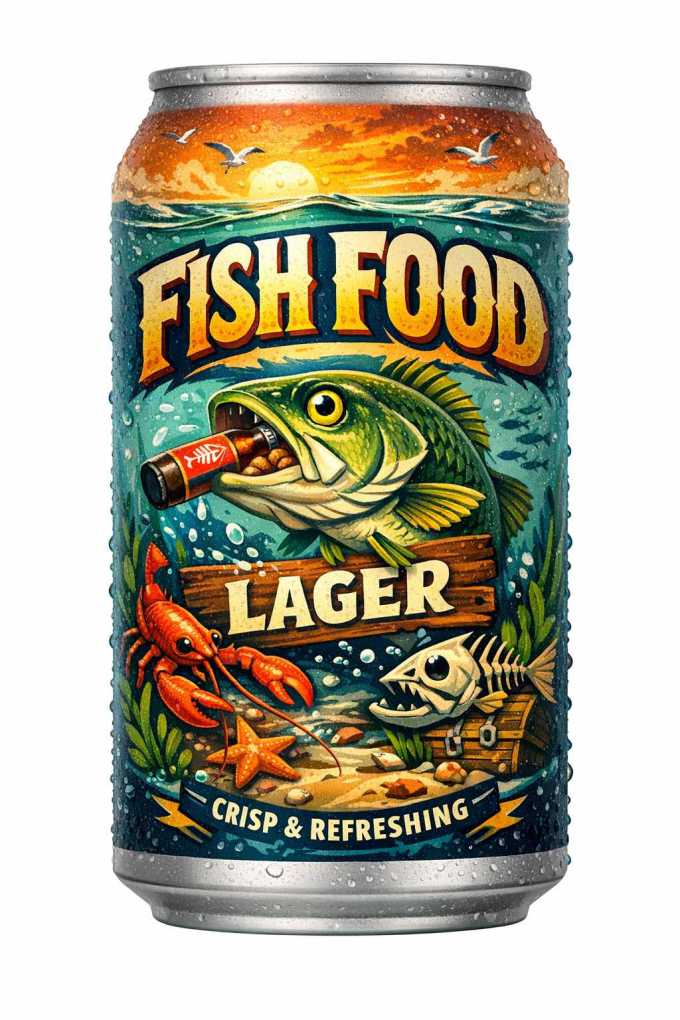
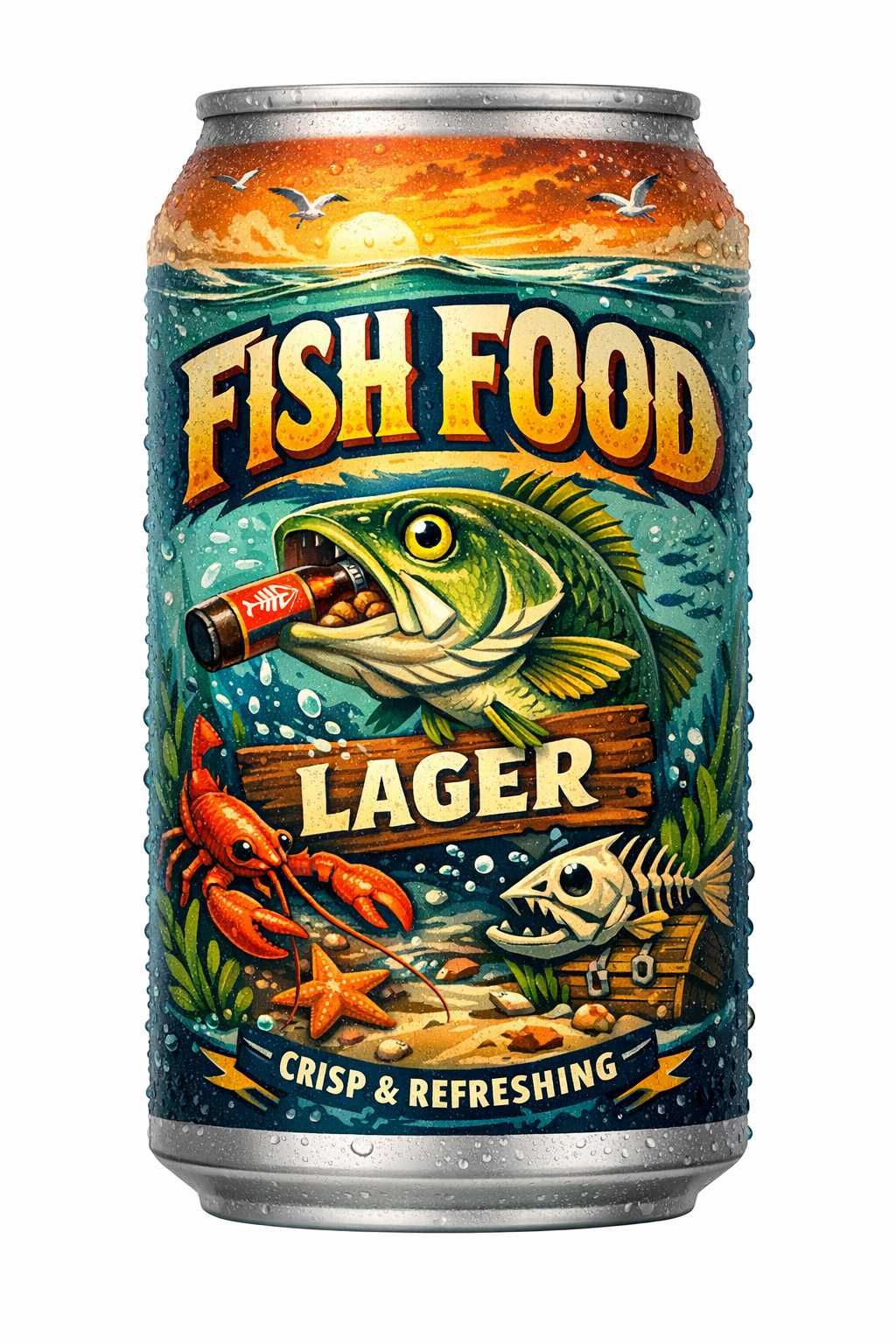
(No Jobs were lost in the making of this AI image !)
To anyone , however remotely, involved in Marketing or Sales, Branding is everyday bread and butter. Whether it a B2B or B2C, the power of the brand is the main determinant to the route of success or failure. B2B I call Internal Brands, as they perform within a distribution channel and B2C External Brands as they perform within and without.
External
Generally the brand representation is a stylised word (occasionally a few words) or exceptionally they are a simple moniker such as the Apple – Apple, the Nike tick, Guinness Harp……Ultimately the consumer brand is designed so that on entering a store (virtual or real ) the potential purchaser immediately knows what attributes and values are attached to that product. Just as important is the ability of that particular brand to stand out amongst its competitors. This is where the big money is spent. However, just throwing money at it does not mean it will succeed.
Inanimate as any product or brand is, stuck on a shelf, it may be fighting the product next to it 24/7. Which got me to thinking, when passing this shelf in a supermarket just before Christmas. The image below( of said shelf) is a mass of striking graphics. But what is their story? Is there a story? Apart from the two that say Lager and IPA , would you know they were beers? Yes, they were located in the beer section. But that is not the point. In my opinion they have to earn their own keep. And one way of doing that is by the product standing on its own and saying ‘This is who I am‘. I am not so sure they do that especially well here. The market of craft and IPA beer has become very crowded and so it looks. The image of the Gingerbread Latte (which I have got to say sounds obnoxious) screams exactly that: Gingerbread Latte. You have to get close up to see it is a Stout and then it is 11%. What does that mean? 11% Stout and 89% Gingerbread Latte or vice versa? Clearly, or rather not so clearly, it is the alcoholic proof. Perhaps it is because I think anyone who chooses to drink a Gingerbread Latte is slightly off their head before they start drinking that only a very small number of consumers would actually buy it. Or maybe, if you were invited to someone’s for dinner, it would be great to take a pack of six for the host. It probably saves you from being invited again.
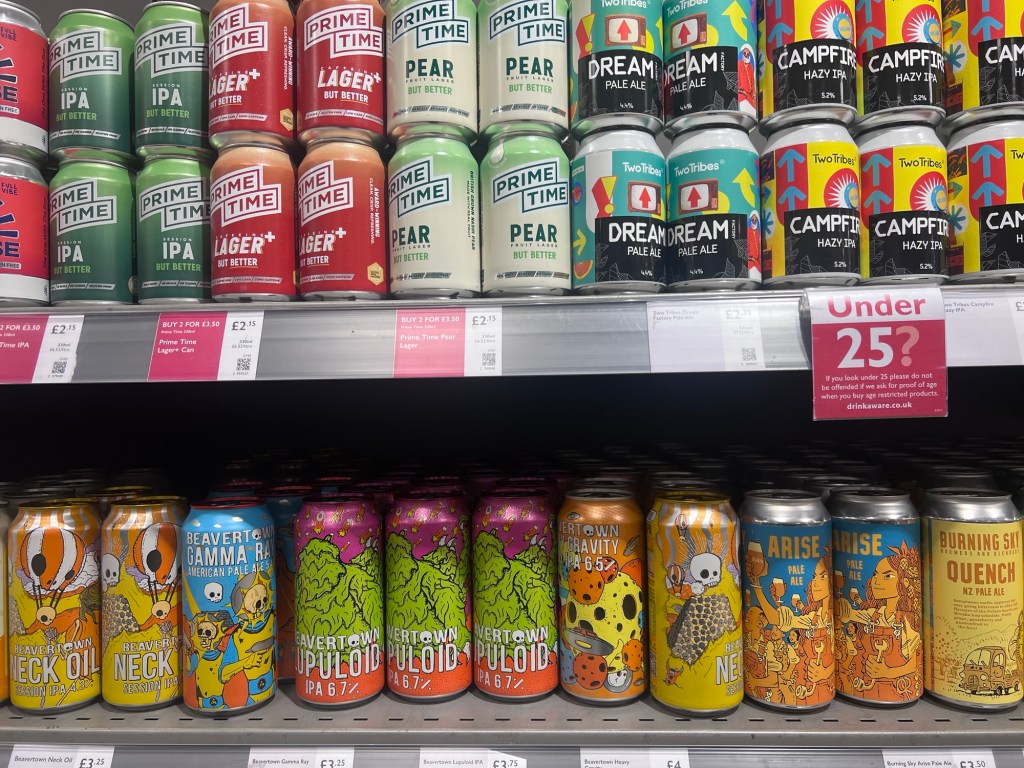
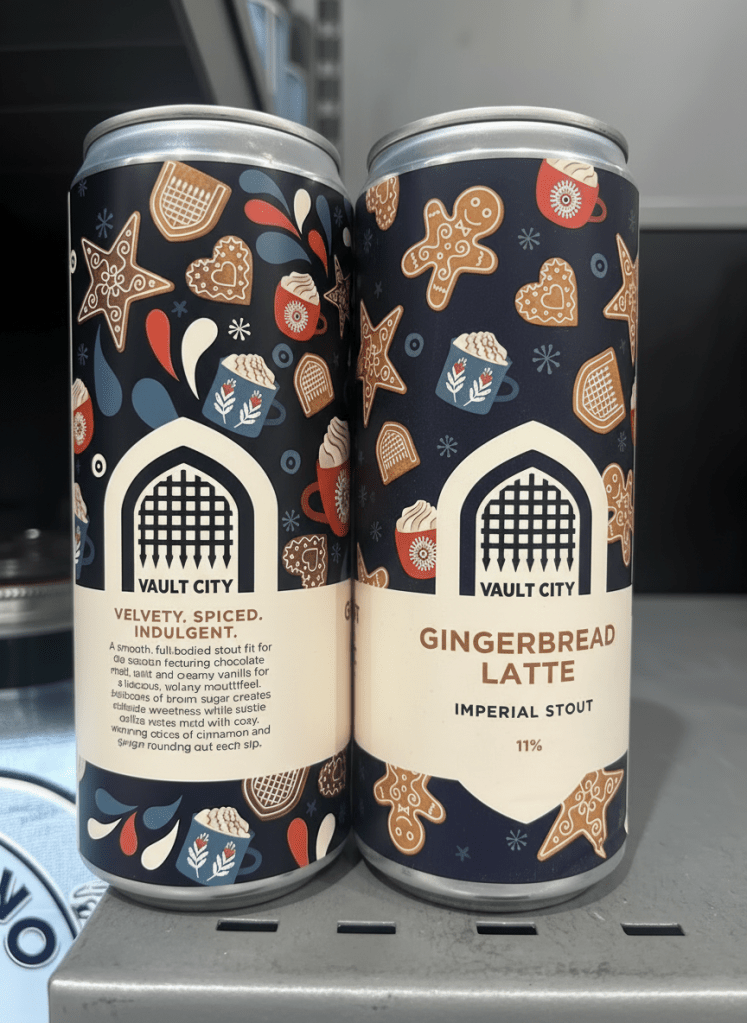
The Inspiration for this post
Internal
B2B Branding works in a very different way .
The Brand works internally, that is to say, the function of the brand is, primarily, reinforce the key attributes of a Supplier within the distribution chain to an existing or potential customer. It should reflect (positively!) the reliability, competitiveness, efficiency, and integrity of, for example, a supplier to a retailer. This is not exclusive to retail distribution networks, it is equally as important within the service sector. For the most part, within the retail sector, the Brand would eventually be offered to the consumer, but the efforts behind the Brand would not be consumer-focused. This often applies to SME’s. It’s success relies on the supplier convincing the retailer this is a Good Product that will sell well, and I can be assured of supply, whilst making a decent margin. An oversimplification, perhaps, but nevertheless true.
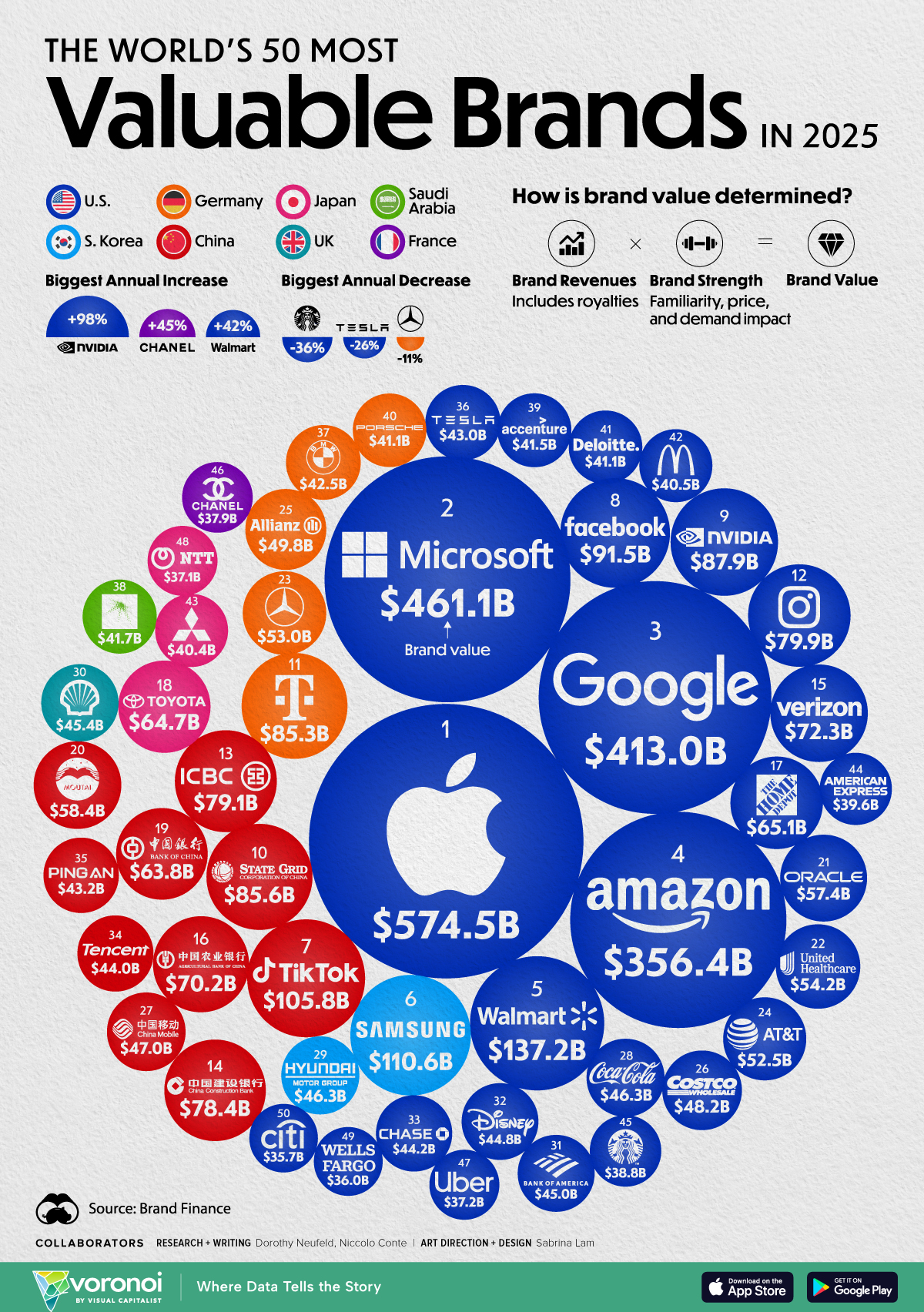
There are, as this muddled graphic (my opinion) illustrates, internal brands that transcend both b2b and b2c. The likes of Nvidia, which is a preeminent chip maker (not to be confused with McCains ) to the AI industry, which is very well known to many because of its massive market value. Indeed, the makers of PCs and laptops have been promoting the virtues of various brands of chips, despite it being a component of the actual product. An important component, but one , which in reality, the consumer has no clue as to whether it is any good or not. The cosmetics market fascinates me when they use references to weird and wonderful compositions of their numerous products – hyaluronic acid, Hydrolised Keratin, L-Arginine and Panthenol to name just a few that stand out on our relatively bare bathroom shelf. Do we assume there is a vast store of chemical knowledge within the consumers’ brains that we don’t know about? Or are they just easily impressed? Does it give a gravitas, or a standout USP, ddespite the fact that some of these components exist in competing products.
Having said that, in my own experience, I have encountered a number of internal brands that achieved a level of success within a marketplace(in my case the party product market) despite not meeting some of the criteria, such as Integrity and reliability, but solely because they have a very good product. For the most part, these Brands eventually become unstuck. Especially the biggest with a turnover exceeding $1.5 billion.
Branding is a very tough exercise. It requires a lot of skill, a little luck and a huge amount of money. There are few that attain the heights of the likes of Coca Cola (est 1892). The majority of today’s really big brands have been established in the last fifty years. The likes of Toys ‘R ‘ U, Blockbuster, Blackberry, Nokia, Polaroid, Kodak, Woolworths, Top Shop, are amongst a huge list that have disappeared in the last twenty-five years (some brands still exist in another format and generally owned by someone else).
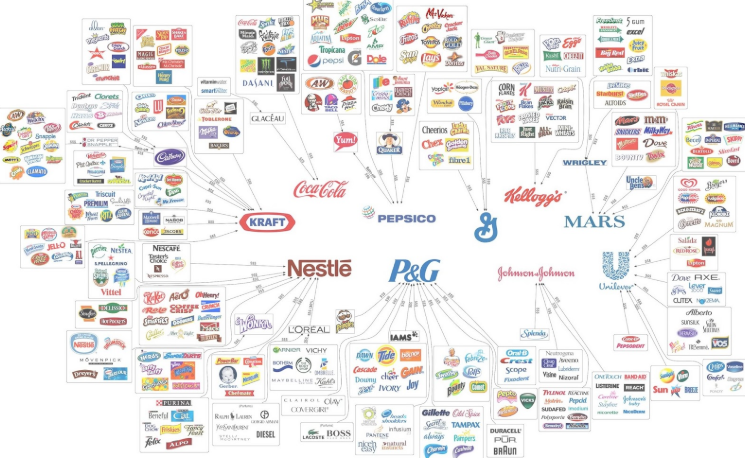
World’s leading FMCG Companies and the Brands they own. This will change soon as Unilver have decided to offload some of their brands. (blogspot.com)
Clearly, I am no Branding expert; my marketing skills are very limited. My marketing skills such as they are, were taught in an era when an intense ad campaign involved a bloke with an A board saying ‘Come in , everything is cheap as chips’ or a poster campaign with an image of a middle-aged couple with handkerchiefs on their heads, sitting on a Spanish beach, advertising holidays for thirty quid. However, having spent most of (actually all apart from 6 months in a customer services department) selling stuff, you get a nose for what is right and what is wrong with a brand and above all, how quickly fortunes can turn. Occasionally, a very good brand can fail through no fault of its own. I have seen very good Brands within the Party Market fail because of their success. By that I mean, because of their success, they were purchased by a larger organisation who thought they could do even better. Invariably, they can’t, and the whole lot collapses. Or at very least, the successful Brand just gets subsumed into the larger whole, its USPs lost or badly mangled and finally disappears. That simply ignores the very simple but true cliche if it ain’t broke, don’t fix it .
“Too many companies want their brands to reflect some idealised, perfected image of themselves. As a consequence, their brands acquire no texture, no character and no public trust.” ~ Richard Branson
I found this on a post on LinkedIn
𝗪𝗵𝗮𝘁 𝘁𝘂𝗿𝗻𝗲𝗱 𝗖𝗼𝗰𝗮-𝗖𝗼𝗹𝗮 𝗶𝗻𝘁𝗼 𝗮 𝗴𝗶𝗮𝗻𝘁 𝘄𝗮𝘀𝗻’𝘁 𝗮𝗱𝘃𝗲𝗿𝘁𝗶𝘀𝗶𝗻𝗴.
Most people think of the branding.
The Christmas trucks.
Or the “I’d Like to Buy the World a Coke.” campaign
It wasn’t that.
𝗧𝗵𝗲 𝗿𝗲𝗮𝗹 𝗴𝗿𝗼𝘄𝘁𝗵 𝗰𝗮𝗺𝗲 𝗳𝗿𝗼𝗺 𝘀𝗼𝗺𝗲𝘁𝗵𝗶𝗻𝗴 𝗰𝗼𝗺𝗽𝗲𝘁𝗶𝘁𝗼𝗿𝘀 𝗺𝗶𝘀𝘀𝗲𝗱.
In the early 1900s, Coca-Cola didn’t control bottling directly.
They licensed it to independent bottlers across territories.
That created something powerful.
Local bottlers invested their own money in plants, trucks and distribution. They were financially incentivised to saturate their regions.
While competitors focused on selling syrup, Coca-Cola focused on availability.
By the 1920s, Coca-Cola wasn’t just known.
It was everywhere.
Rail stations.
Small-town diners.
Rural stores.
Urban centres.
You didn’t choose Coke because of a campaign.
𝗬𝗼𝘂 𝗰𝗵𝗼𝘀𝗲 𝗶𝘁 𝗯𝗲𝗰𝗮𝘂𝘀𝗲 𝗶𝘁 𝘄𝗮𝘀 𝘁𝗵𝗲𝗿𝗲.
Distribution became the foundation and their advertising amplified it.
It goes on to say that this would not necessarily work in today’s marketplace. However, it is a good illustration of how wide distribution, good availability, plus a desirable product (it would have all fallen down if the consumer didn’t like the drink), are all key elements of Branding. This would not work for Gingerbread Latte. Getting distribution in every single outlet selling alcohol drinks and then having a fleet of tankers with backup stock, without telling anyone why they should rush out and buy a can, is unlikely to reinforce this particular brand.
Just making a brand look a bit quirky, edgy, and on trend is not quite enough. Surely, 11% proof Gingerbread Latte Beer was created in a Brain Fog?
If anyone is looking at my extraordinary brand creation at the top of the post and is thinking I’ll nick that. Forget it. I have already got protection on alcohol, prawn crackers, prawn cocktail flavoured crisps, prawn sandwiches, fish sauce, fish and chips and a Formula 1 Race team. AI asked me if they could use my extraordinary creativity. Then I woke up.
Who knows, one day a crazy entrepreneur might try to sell a Beer with a brand and image of the world’s deadliest snake on the bottle!

 The Party Blog