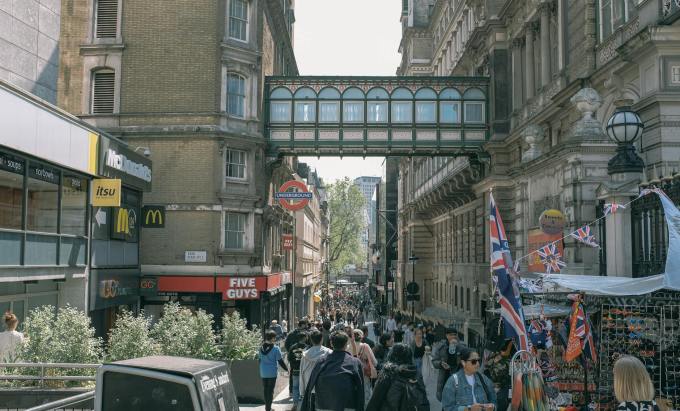

Is Britain’s High Street, Buzzing or Bust?

The High Street is a constantly evolving scene—it always has been and always will be. Current insanities aside, there are some surprises—or at least they are to me.

Before, during, and immediately after COVID, two particular chains were performing well and for good reason. Each very different in how they traded and where they traded. The estate of one was focused on trading from Retail Parks, and the other mainly, but not entirely, on High Streets. Hobbycraft is the former and Poundland, the latter.

Why they are struggling is not immediately obvious. Hobbycraft, from Day 1 had tapped into the burgeoning market of exactly what it says on the front door – Hobbies & Crafting. Poundland was very clear in its message on the front door – Everything is a £1. There was always going to come a point when this was not possible. Yet, they were always known for being a well layed out, professional discounter offering great value for money. In my opinion this started to change when the Pepco influence became prominent and the offering was very confusing. Added to which, the buying philosophy became a lot more detached from the potential supply base. Something I experienced with both.

But these are only two retailers. Recent Retailing history is littered by poor performing retailers. Some are still here many are not .

There are many reasons for underperforming retail activity, but there are also many reasons to think that all is not lost.

Just under 7 million sq ft of retail space was leased across the U.K. between January and March 2025. The figure represents an 8% increase on the previous quarter and a 25% increase on the same quarter last year. Marking the strongest leasing activity in six years. Isabella Fish, The Times 23 April 2025

Retail sales in the UK rose by 0.4% month-over-month in March 2025, defying forecasts of a 0.4% decline, following a downwardly revised 0.7% increase in the previous month. Sales in non-food stores increased by 1.7%, reaching its highest level since March 2022. Clothing stores saw the strongest growth (+3.7%), with retailers attributing the boost to favorable weather. Other non-food stores also saw a gain (+2.4%), particularly in second-hand goods stores and retailers selling garden supplies. Meanwhile, food store sales declined by 1.3%. Excluding fuel, retail sales grew by 0.5% from a month earlier. On a yearly basis, retail sales climbed 2.6%, exceeding forecasts and February’s 1.8% increase. For the first quarter, retail trade rose by 1.6%, marking the largest three-month increase since July 2021. Office for National Statistics.

Various U.K New Store Openings 2025

  • Co-op 75 Stores
  • Sainsburys 20 New Superstores, 25 Shop Local Stores
  • Jo Malone 37-45 stores
  • Waterstones 12+ (10 years ago, everyone said bookshops were dead)
  • Holland & Barrett 50+
  • The Entertainer ( Toy Stores ) will increase their exposure within Tesco Stores from 850 to 2000+ during 2025
  • This link will show expansion plans by various players within the fashion industry https://www.drapersonline.com/news/whos-opening-stores-in-2025
  • Virgin has recently announced that they are looking to return to Central London with a Virgin Megastore

Clearly, bricks-and-mortar stores are not yet a thing of the past. Understanding that the High Street remains a significant location to operate from, IKEA is opening 5 more of their smaller concept stores in Town centres during 2025. Their brand new store on London’s Oxford St was an investment just shy of £500 million.

The impact and future of Online shopping can never be ignored. Yet the very recent experience of Marks & Spencer’s, being hacked not only affected their Logistics but completely shut down their online operation. Underlying the importance to all retailers of having a presence in both camps.

It is not all about the Big Players ….

There are 19,000 Rural Convenience Stores .

Whether a High Street is Broken or Buzzing is heavily dependent on the health of the town centre. There is an argument to say that the Health of the Town Centre is also dependent on the health of its retailers. It is a bit of a no-brainer to say if the Town is healthy and prosperous, it will encourage good retailers. The reverse is also true, where the Town can become prosperous but is not served by a good retail offering, the consumer will go elsewhere. There is a symbiotic relationship between the two. However, it does not always work. I can think of a number of UK towns that are quite affluent but they do not have a good retail offering. I cannot think of any example of a depressed town having a good retail offering.

Without question, there is a large chunk of consumers who do not have spare cash to flash . There are, however, a sizeable chunk who do. In 2024 the Total Retail spend in the UK was:

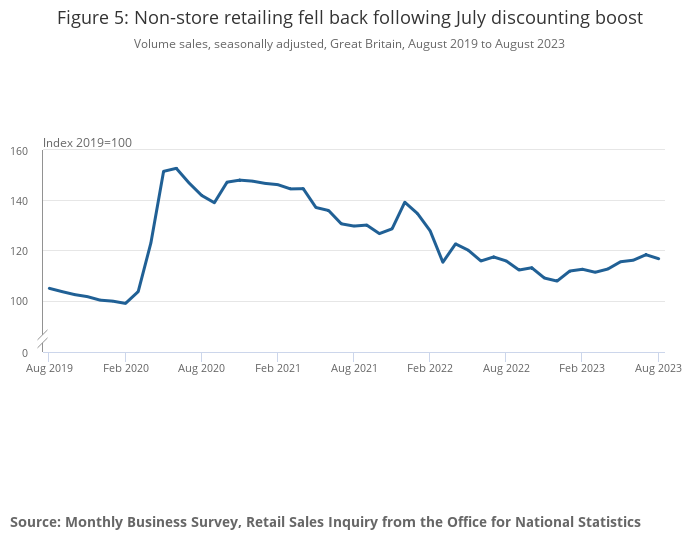
This graph show retail sales in the UK for February 2025. I think it is significant that the only sector to experience a fall is Food. But I don’t know what the significance is.
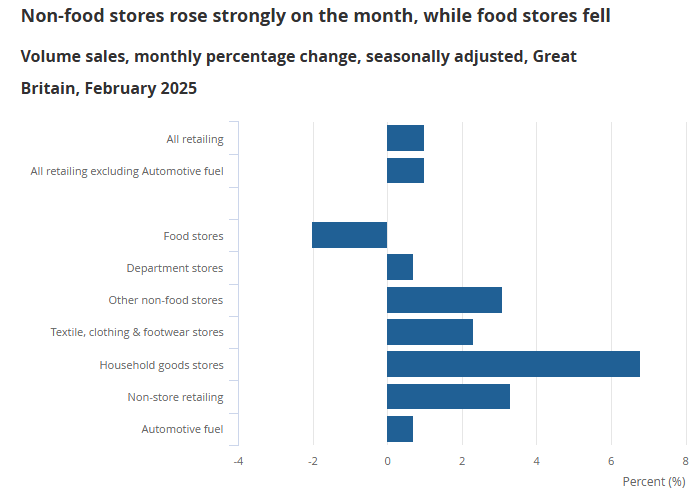
Office of National Statistics

There is no quick fix to make your Retail operation Buzz. There never has been. You have to earn your place on the High Street. It does not owe you anything. The consumer still likes to go shopping. You just need to make sure that your store is one of those they want to shop in.

Stop Press:

All Shook Up….World Politics ..and no less than the Retail Party Market!

Oh, well, a-bless my soul, but what’s wrong with me?
I’m itchin’ like a man on a fuzzy tree
My friends say I’m actin’ wild as a bug
I’m in love
I’m all shook up
Hmm, ooh, yeah, yeah, yeah

Elvis Presley

I am fascinated by World Politics but am not even remotely qualified to comment apart from the ‘bleeding‘ obvious, it is all shook up , at least in the Western Democracies . I am fascinated by the party market, remain unqualified but have at least enough years within the market, feel I can have a vaguely qualified opinion. For those who don’t know, I am not referring to THE Party market, in terms of having an apparently great time , throwing vast quantities of alcohol down your throat , a quantity of ‘Party?’ drugs, playing monotonous music and in some cases hours and hours of sex ! Well that’s what I have been told. I mean balloons, fancy dress, and party decorations. Sex and drugs maybe involved but not within the Retail Market place. I think? That said I am a bit like the Drug dealer who says…..

Or at least those I watch on telly say that! I don’t go to parties but I sell the stuff that is used to create a party atmosphere.

When £70 million plus is spent on Glastonbury Festival tickets, in a matter of hours after the official web site opened for 2024, the Party market is struggling to find consumers who will spend any money to have a party at home . This is not a UK problem , I know for certain this is a world wide malaise.

Within the last 2 months, 3 of the leading brands have encountered severe financial issues. Smiffys, Amscan and Qualatex (Qualatex in North America problems started over 18 months ago) the three leading brands in Dress Up, Party and Balloons, are in the process of being restructured in one way or another. How and why has this all happened in such a short period and at virtually the same time ?

Traditionally the Party market has always weathered Economic downturns . I can remember quite clearly that during poor economic climates in recent decades it has stood up well and in some cases flourished. The consumer whilst strapped for cash, stopped going out or having celebrations in third party locations stayed at home and spent what they had on making the home party, the fun place .

So what is different? A maelstrom! I am averse to hyperbole but I think in terms of context , it is not hyperbolic. It is, if nothing else, a perfect storm and below I have bullet pointed in no particular order my reasoning. I will, then, qualify them in a little detail . All of these I believe are relevant in Europe but what I can gather is it also true of most consumer based societies.

Covid has been used as answer for a whole load of stuff. However, there is a lot of validity in many of the rational, massive change in consumer behaviour, supply disruptions, peaks and troughs in demand. Some of those peaks being slightly false because they were magnified by shortages of product . All the many implications highlighted long standing weakness in the supply chain.

Cost of Living

Without doubt has had a huge impact over the last 12 months. It may seem a little supercilious to say Why? As it is blindingly obvious. Yet it is not as simple,as above, in previous recessions party has faired well. The next 3 points have a lot to say about Why?

Change in Consumer Behaviour

Covid has had a major influence on consumer behaviour. I don’t really think anyone knows quite what those changes are. However, one very obvious change and example within the party market was the use and consumption of balloons (especially Latex) . It created a huge boom (more bubble in my view). Consumers being at home watched loads of youtube videos on stuff like Balloon Decorating and wanted to get in on the act whether for personal amusement or for starting a business. There was plenty of online information on how to do this and for a start up business it was very inexpensive to get set up. And set up they did, in their droves.

Going from the market being starved of product , the market is now over supplied and many of those who started small decorating business have discovered it was not quite as easy as they thought and it certainly was not as profitable.

This, however , is only one example, there are many others , yet for the most part, and I repeat, none of us know as to what they are .

Part of this change maybe along the lines of an article I have just read concerning Treatonomics . This, according to some journalists in the UK Times Newspaper, is where those on a reasonable income , but have little disposable income splash out on having fun. Generally involving going to some event or other. It has come to light when Barclays Bank has estimated that the recent Taylor Swift Tour in the U.K generated over £1 billion in additional(not including Swifts own take) revenue. This is just not ticket revenue, but hotel, travelling, eating out , drinks and everything else involved on going to a major concert. It has a term , yes, you are quite right, swiftonomics. It is not only confined to the UK as most other cities where she has performed are recording a similar impact. Moreover, some heads of state are asking for her to perform in their countries. Chile was very peeved as she decided on Argentina and Brazil . ‘What about the Chilean swifties?

The Chinese

This is not about the current concerns among Western Governments’ security concerns, or a poke at he national identity of the Chinese nation it is rather more direct and obvious.

As a market place we have just about got our heads around Amazon & eBay . Both heavily laden with Chinese Product. But it has not stopped there. We, the party market, have the likes of Themu, Shein, Aliexpress (Thanks David Beckham -see TV ads) to contend with. It would be very naïve to think that these have not sucked a load of consumer demand away from the traditional supply chain. Within that chain I would include home grown B2C webshop buying from local suppliers as well as market place sellers and Independent Party Retailers.

Market Changes

Prior to 2020 there were indications of market changes. For example within Party dress up, there was a consumer move away from full costumes to dress up accessories. Certainly in Europe, the costume market had peaked and was at a plateau. Within the general party market , which had developed enormously over the last twenty years, there was a feeling that it had a come to a standstill. I couldn’t count the number of customers who said ‘we need something new’. Of course there was and is a lot of new product but general it is always a variation upon on a theme. The consumer has or is changing and we have not been changing enough within the market supply chain . Circumstances now tell us we have to.

So why have 3 major brands all gone down at the same time? Is the market over supplied? Probably. A big problem within a relatively small market ( it is not mobile phones, cars, or fashion . We are talking about occasional purchases generally of lowish value) is that when a Brand dominates a market, it is difficult to achieve growth. As a consequence I believe some of the bigger players have made errors in their operations because they were striving for double digit growth or at very least market domination. If you supply all the major outlets in your market place where are you going next ? Just as significant is if you loose a major player or have your range reduced, how do you replace it ? I can only speak in terms of the UK but I am pretty sure it holds true in Europe, that the majors are supplied on a much reduced margins. If that were the case in many cases it would only act as contribution to overheads, losing that business means no contribution to overheads. Where do you go to replace this business when you are a Brand leader? An oversimplification perhaps, but it illustrates some of the problems facing big brands. What are the options ? Less turnover bigger margins. Old saying…..

But that, of course, is only part of the problem. There are other structural issues that are not easy to quantify and certainly not in a short blog. Whatever, the case the failing of major brands, it is not good for anyone. It is not good for employees, it is not good for the market in general as it creates uncertainty, at a time where there is already much uncertainty and it is not good for all the suppliers of these brands as they loose major customers, monies owed and most probably losses on existing deliveries much of which can not be diverted elsewhere. I know the latter to be true as having been contacted by a couple of such suppliers. Also it possibly leads to a short term influx of cut price merchandise . This may sound great to some , but is just one more destabiliser and devalues the stock already within the chain.

In the medium to long term the market will stabilise and the existing supply chain will learn from past mistakes and truly take stock of what the market needs and how it will operate . I am still very positive about the future of the Party Market going forward. I think it will come out of it much cleaner, more efficient and greater understanding of how the market will be in the coming years.

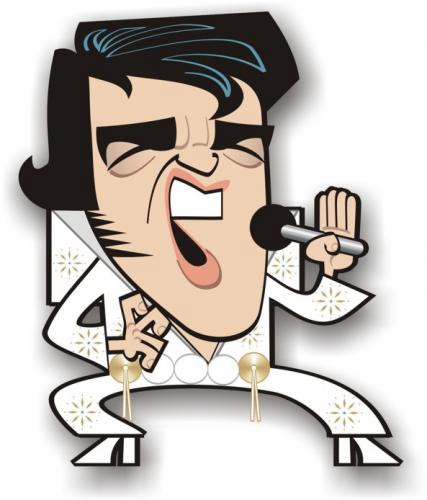
Why the Elvis song ? Well the title works , the image perhaps not, the lyrics definitely not but for those who don’t know, the owner of the new Smiffys, owns Graceland !

Is there ever a good time to sell stuff ?

1634 great year for selling Dutch Tulips . 1637 not so great.

If you were to take the national media seriously, you would very rapidly come to the conclusion that the market for everything is bad.

Major supermarket with 2,800 sites to close two stores permanently in days – is your local shutting?

The Sun

Yes that major supermarket is Tesco’s and they were closing 2 , yes 2 stores .

The Sun also reported earlier that week with a headline Major Upset for the High Street , as chain closes 2 stores...This was New Look , who have been closing stores for a number of years. The Sun also confirmed that the Chain would be opening six later in the year . So what they chose to headline were the two closures and not the six new ones.

And yet …..

Primark owner raises profit guidance for second time as sales surge 15%

Majestic Wine to hire 200 staff ahead of its ‘biggest Christmas ever’

Next defies expectations as it raises profit outlook for third time this year

JD Sports on track for over £1bn profits amid solid sales growth

Things are tough. But there is still a huge amounts spent each week on stuff we need and stuff we don’t need . The critical issue is making sure you are one of the retailers that get their hands on that cash. At a time when a large Retailer goes bust, the first shout (from the media) is that every retailer is going to hell in a hand cart . Its over . Nobody can operate on the High Street , everyone has gone online . Clearly not true .

If it was all over for the High Street retailer you would not see these sort of headlines. Moreover , you would not see Retailers picking up stores from the demise of Wilko . They will all be rebranded, as the Wilko Brand was already a fading brand and had been for a number of years . It was no longer a good retailer . Their consumer was still buying the type of product Wilko sold but from better retailers .

It is always about ,and always has been, Good retailers and not so Good retailers .The same is true of whether they are bricks and mortar or online. The problems and issues are, sometimes, different but the consequences the same. Looking through a list of non active clients over the last five years, the vast majority are actually or rather were online operators who have gone out of business . Some more recent closures have come about despite having major upturns during Covid , making the false assumption this was the new norm .

There is no norm. I think this part of the biggest problem facing Retail now and going forward. You can think what is the norm ? We all have to think about Tomorrow , we can’t doing anything about Today it is too late .

These are some of the issues and resolutions facing big retail corporations worldwide, or at least according to Deloitte …..

While some of this has an indirect impact on the smaller enterprises few are in a position to do anything about these macro factors. However, I do see the last sentence, from the above quote, having a resonance much further down the chain . That very sentence could very well be have written specifically for Independents .

Diversity in terms of product and service, are precisely where the Independent needs to be . Within my own industry i.e. Party, the success of the good Independent Party Retailer in the UK and beyond over the last couple of years is down to diversity. And by diversity I refer to specifically balloon decoration . This is has been taken to a different level .

It is something that cannot be reproduced within large retail chains . And most certainly cannot be sold at a discount but it has come about because the consumer seeks something different and is prepared to pay for it. Of course, this is an over simplification. But it serves as an illustration of creating products and services that are innovative and diverse.

There no simple solutions to effective retailing . Since 2008 (financial recession) through Brexit, Covid and the current cost of living crisis (please note this is not something confined to the UK) there has not been a positive retail environment . Yet many retailers have thrived . I cannot think of one Good Retailer-multiple or otherwise that has had to close because of the current trading conditions .

One very good reason

This , of course, included items such as fuel and food but it still represents a heck of a lot of money . I think if you examine the successful retailers e.g Next, Zara, Uniqlo, Dunelm and the major discounters , all have a number of common factors:

  • frequency of new product
  • good stock holdings
  • innovation
  • understanding their customers perception of value

The following is a list of lesser known brands but have the common factor of being the fastest growing retailers in the UK

  1. AU Vodka (£43.9m, 413%) – a premium spirits
  2. Ooni (£208m, 289%) – a pizza oven retailer
  3. Lounge Underwear (£71.3m, 113%) – lingerie retailer
  4. Wolf & Badger (£24.6m, 108%) – a fashion marketplace
  5. Gousto – (£315.2m, 95%) – meal kits
  6. Fairfax & Favor (£28.9m, 85%) – a country lifestyle brand
  7. Sosandar (£29.5m, 81%) – women’s fashion
  8. Butternut Box (£34.9m, 79%) – fresh dog food delivery
  9. Beauty Pie (£53.1m, 79%) – cosmetics buying club
  10. Muc Off (£44.3m, 73%) – bike cleaning products

So much of this indicates is that there is always a good time to sell stuff. Just make sure it is the right stuff sold in the right way….

Re-inventing the Wheel….Retailers do it all the time ……

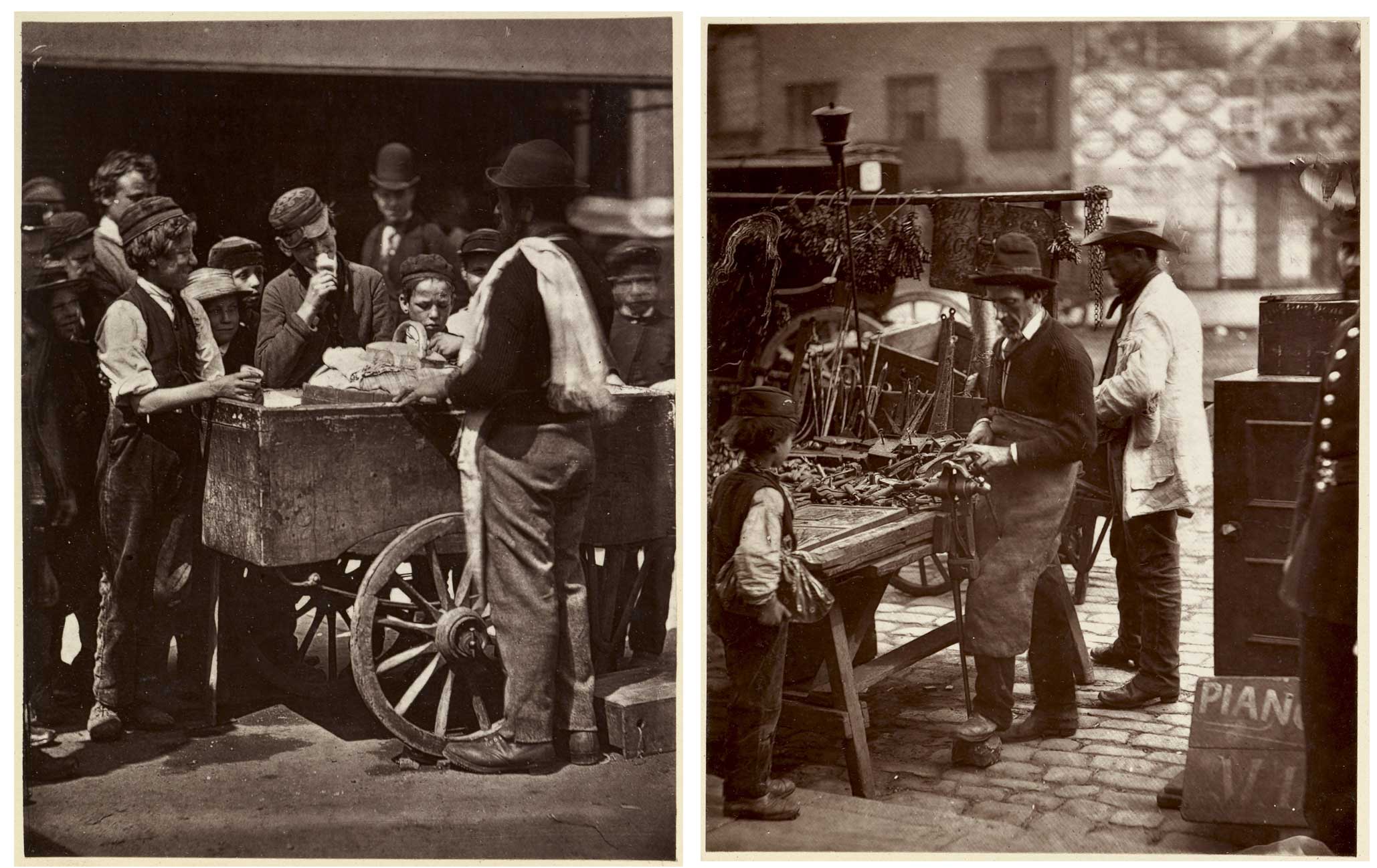
An Original Wheel
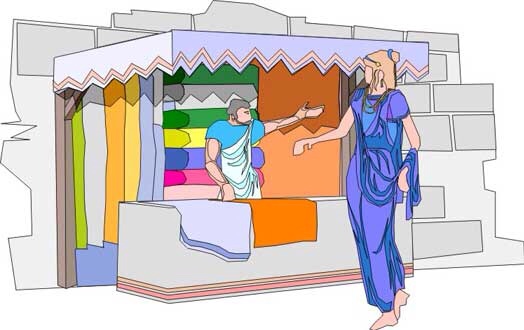
An Original Retailer

I’ve got to say, whilst both concepts remain little changed in their function , the ancient retailer, in many ways, resembles the modern version much more than that of the original wheel.

Whilst aesthetics and the use of the wheel has undergone massive changes, basically the retailer does exactly the same as they would have 2000 years ago and more. They buy something and then sell it. Meanwhile, the wheel has undergone multiple transformations. It is no longer just about shifting stuff , it enhances power, tells the time (cogs), controls movements (steering wheels ,Ship’s wheel,) ,Chinese revolving wheel tables to name just a few. The Retailer still buys then sells.

But, of course , it is not quite that simple. Since the early 1900’s retail (especially within the U.K. & the USA ) began to change dramatically. In 1901 Michael Marks and Tom Spencer started to roll out their first joint venture under the Marks and Spencer banner and consequently the beginning of the ubiquitous British Chain store . Between 1931 and 1939 Jack Cohen expanded from 1 store to 100. In 1903 John Sainsbury opened his first grocery store (the very first general store was opened 1869) by 1928 there were 128.

In the 1950’s the concept of the Supermarket started to emerge, followed by Superstores, Discount operators , Convenience Stores , Mail order catalogues, even Boot Sales and eventually through to Online Retailers. All these were evolutions that would change retailing, and in the view of some eventually kill the High Street, independents and market traders. There is,of course, an element of truth in that view. But it is not the whole picture . By 2020 there were still over 300,000 retail outlets employing 2.9 million people.

So, What now ? Oh yes, we have Amazon Shops ! And what the f…!(…=acebook) we are now going to get Facebook shops.

Meta, the social media company formerly known as Facebook, has discussed opening retail stores that will eventually span the world, said people with knowledge of the project and company documents viewed by The New York Times. The stores would be used to introduce people to devices made by the company’s Reality Labs division, such as virtual reality headsets and, eventually, augmented reality glasses, they said.

The New York Times Nov 2021

But that is not about the changing wheel. What I have seen since the pandemic (and it is particularly during the pandemic I have seen this emerge) is a new type of independent Retailer that is dragging the High Street into the 21st Century .

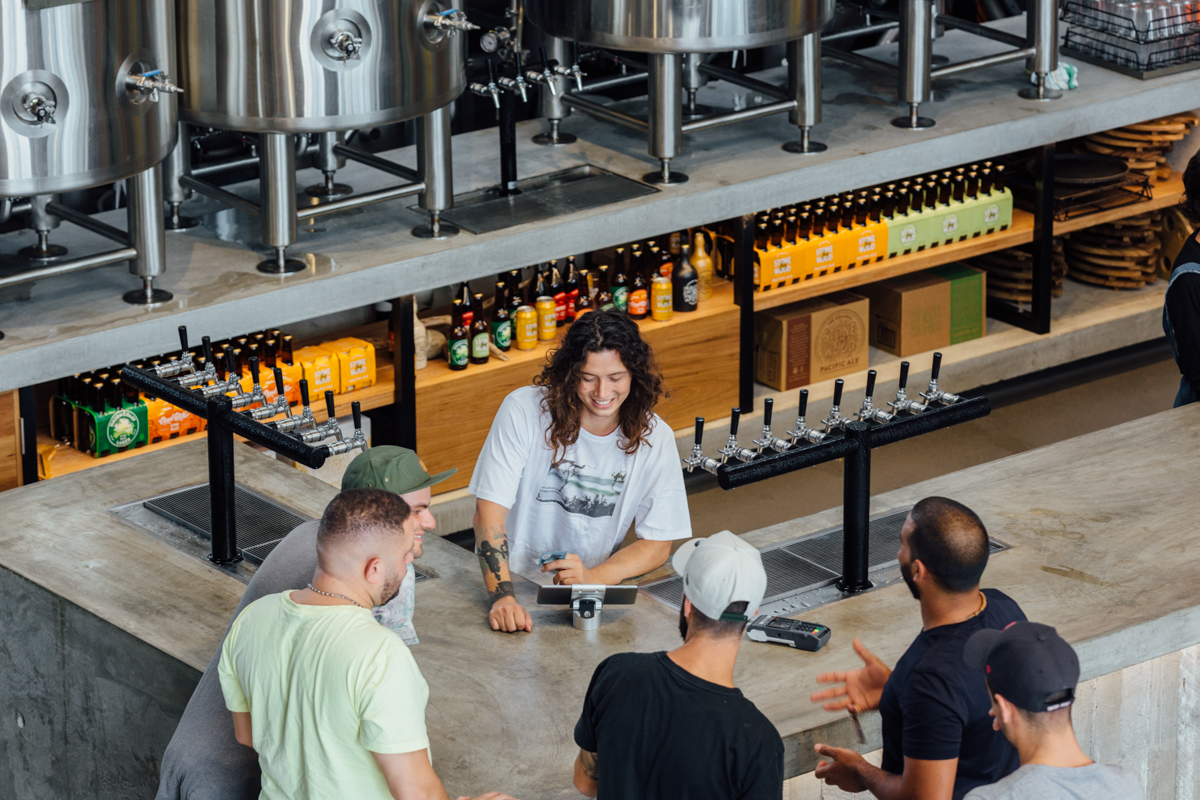
During the late 1990’s, early 2000’s the major brewers started to dominate the Pub Scene. The inevitable consequence was a constant consolidation in the number of pubs and beers. So was that the end of the local hostelry ? Not so, there are now nearly 2000 Micro breweries in the UK ,many with their imbibing outlets.

The total number of (gin) distilleries registered in the UK in 2020 grew to over 560 (at least 563)*, up from over 440 (at least 441) in 2019.

WSTA

Street Food Stats: (Dunns Food & Drink Oct 2019

  • Over 6.6 MILLION posts on Instagram with the hashtag #STREETFOOD
  • Mexican is the 3rd most popular ethnic cuisine in the UK
  • Street Food is consumed by 2.5 BILLION worldwide each year
  • 71% of Generation Z like to try new dishes and flavours
  • The street food market is now worth an estimated £1.2 BILLION in the UK
  • 68% felt that street food introduced them to new flavours
  • £198 is spent on food and beverage by festival goers each year

Who would have believed this ten years ago……

There are now 14,727 physical shops in the UK which sell records, CDs, DVDs and Blu-ray, up almost 50% on last year, according to research by the Entertainment Retailers Association (ERA).8 Mar 2016

This is a six year old figure but there are no suggestions to show that this has changed much.

UK vinyl sales have continued to climb in the UK despite the dramatic impact of COVID-19 on the music industry. 

New figures from the Entertainment Retailers Association – who manage Record Store Day in the UK – reveal that last month’s RSD ‘drop’ on August 29 saw vinyl sales rise 3% year on year with 2.7 million units sold so far in 2020. 

Rob Copsey Official Charts

Since the easing of various lockdowns, I have been able to restart visiting towns throughout the UK. There is change (retail) afoot. There is evidence of more individualised independent retailers of all types offering different product in a much more professional manner . Perhaps it is the Hipsterisation of many town centres eg Brixton, & Hackney in London, Salford in Manchester, The Quays in Liverpool ,Glasgow’s East End, and areas such as Handsworth in Birmingham. There is a new vibrant feel. As such, it does create a dichotomy. That is to say these changes are coming at the behest of the middle classes. The poorer areas of towns and cities are not going to attract the entrepreneurial retailer. And that is very clear from seeing some of these areas where there are loads of boarded up shops. Yet, there is always hope, as landlords will start looking at their rentals and encourage these entrepreneurs with much more competitive and attractive rates. I digress.

Over to Ari…..

Aristotle November 2021

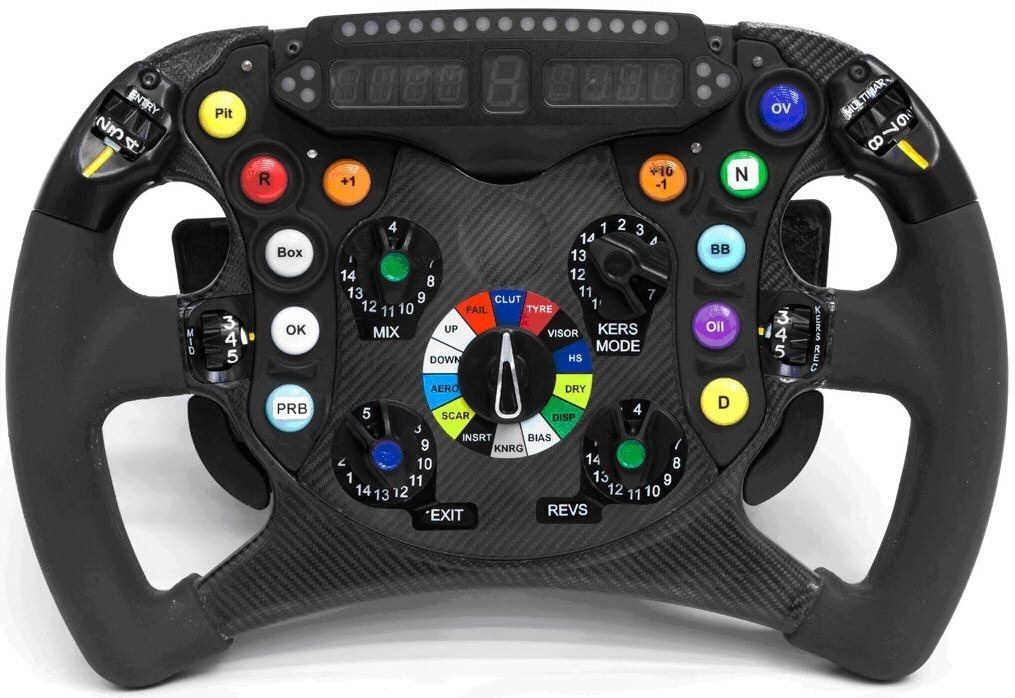
Our ancestors invented the wheel and it remain unchanged for a long time. The opportunists saw other possibilities so the wheel went from this …….

This image has an empty alt attribute; its file name is img_8131-1.jpg

To this….

Formula 1 Steering Wheel

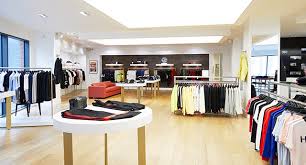
Retailing has gone from this …..

This image has an empty alt attribute; its file name is img_8132.jpg

To this….

Less Change, more Innovation

You’re Toast…..

Plagues, pestilence, pandemics,post apocalyptic scenes of retail destruction, are not for here.

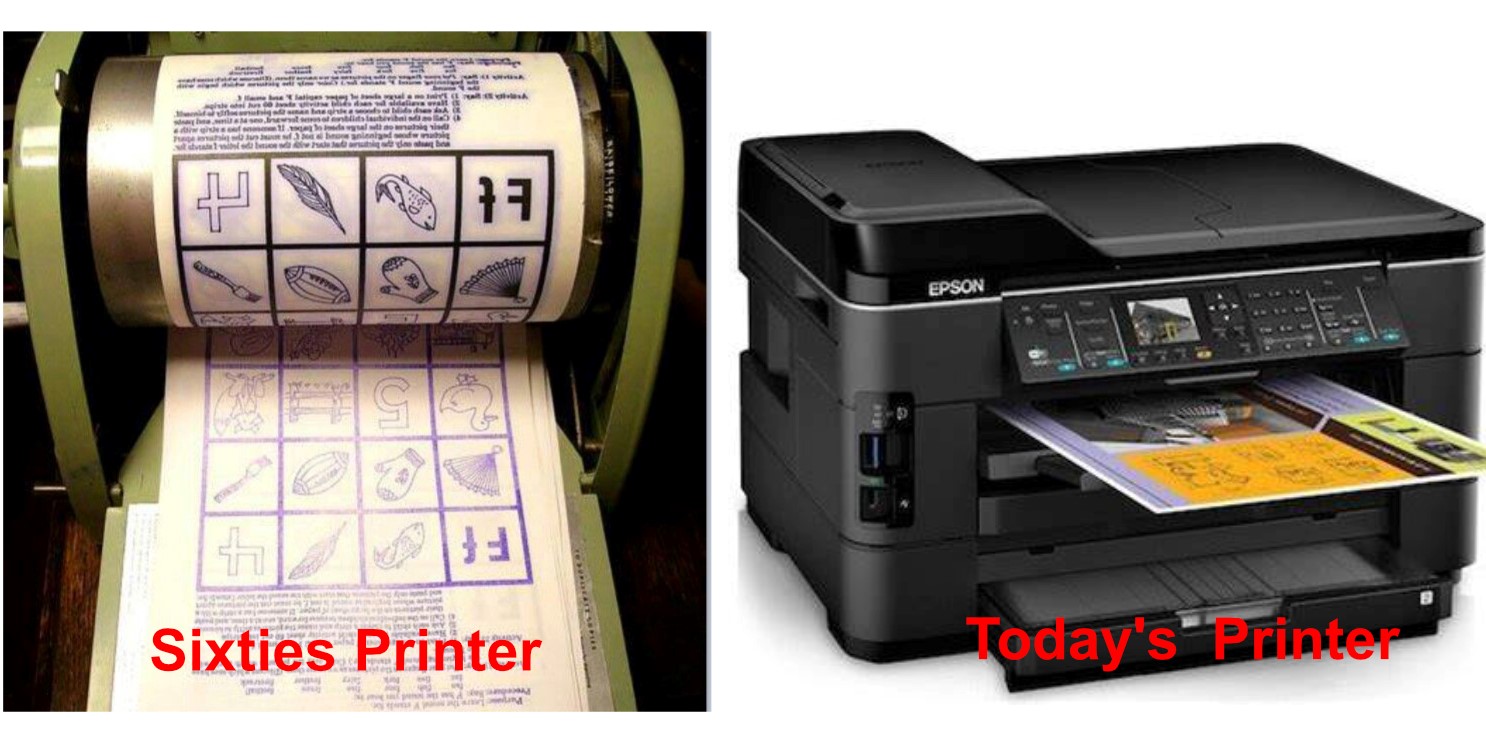
During the last fifty years there has been an extraordinary period of massive technological development. From communications and computerisation , through travel to medicine , entertainment and so many areas that impact our everyday lives . You can turn the central heating back on at home via your smart phone from the other side of the globe.

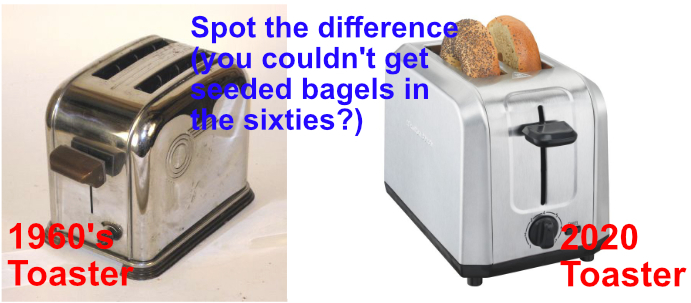
It feels that every day brings an announcement of some monumental change. Electric, self driving cars, electric planes, robot surgery , it is ceaseless. Yet there is one area which remains exactly where it was fifty years ago. Technology has been defeated by the humble slice of bread. Nothing, absolutely nothing, de nada…. has changed.

Yes, a few extra dials have been added on some models . Now you can toast your Bagel on a Bagel setting. You can defrost your bread on a defrost setting. But they are only cosmetic. In reality they are just words on the dial as they are only timing setting that have always been there. They, all, still just toast and not very well, like what they did before . We wont even go to the Commercial Toaster. Yes we will.

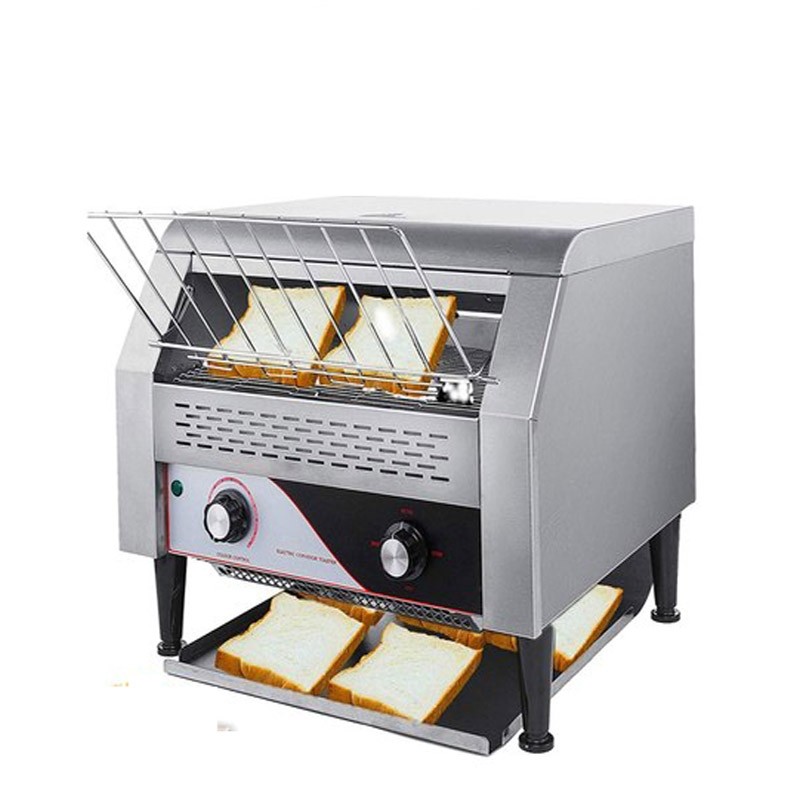
That worse than useless bit of kit that they have at buffet breakfasts in hotels, that creates long queues, where you have to write your name (in case somebody nicks it) on the bread because you will have to go around at least twice, and then by the time you get back to your table, hottish, vaguely brown toast has become cold and soggy.

Commercial Toaster

Where are the Elon Musks, Steve Jobs, James Dysons of the Toaster World ? Is it because it ain’t sexy like electric cars, iPhone and Vacuum cleaners . If so what is sexy about a Vacuum cleaner ?

The UK market, alone, is worth about 5 Million toasters a year (this, apparently does not include Commercial toasters). The world market has an approximate value of £1 Billion. So it is a toasty (sorry weak pun over tasty) market. One issue maybe the potential returns. In the early sixties the price of a toaster was about £6 (not much different to the average minimum wage). Yes, you can still buy a toaster for £6. Yet that did not stop Dyson making an amazingly expensive vacuum cleaner ,with which you don’t even get any bags!

That said, if we assume that six quid was just about a weeks wage, today you can buy a piece of kit (drone) that you fly remotely, drops bags of drugs into prison yards, film your neighbours unruly kids from a great height (or worse) or fires high powered missiles into unsuspecting enemies from 6000 miles away ( I know they cost a bit more than a weeks wages) for much the same sort of money.

Hands up we are a fifty quid toaster couple. Yes, ours can toast 4 slices , heat bagels, defrost bread and lasts 9-10 years (average toaster life is 4-5 years) but we cannot guarantee that the bread gets toasted in the same way every time. However, the sixties toaster could do all that except toast 4 pieces. That’s toaster innovation for you.

This week alone there has been the announcement of speakers that you can hear, and you alone. Yes, four ( is that allowed) of you can sit in a room and it creates an audible bubble that only you (whoever you is ) can hear the speaker- no head phones ! Don’t ask , I don’t know . What I do know is I can put a slice of bread in my toaster and I have no idea what it will look like until it has popped up. Maybe toasting is more exciting.