The Experiential Economy! What is it?

Or rather, spending money on doing stuff.

It is not a new term, as it has been around since the early 2000s. The term was first used by 2 economists back in 1998, but the theory goes back a lot further to Alvin Toffler’s book The Future Shock, published in 1970. But it is the last twenty years, when it has become a very significant part of Consumer discretionary spending.

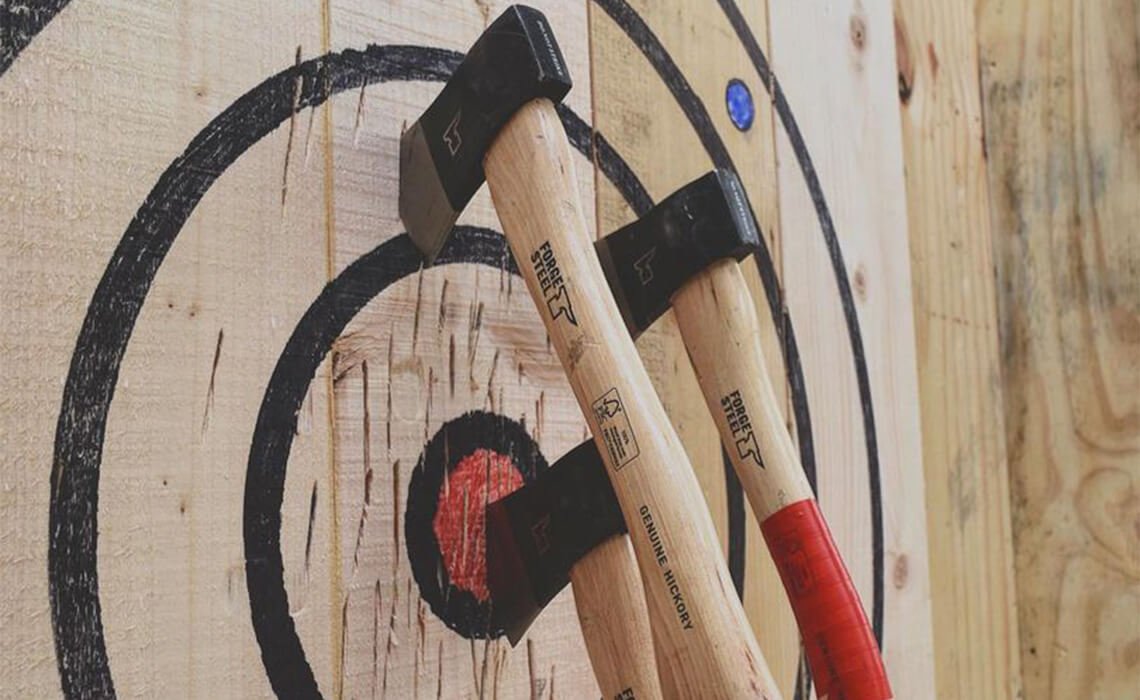
So what sort of things are we looking at :
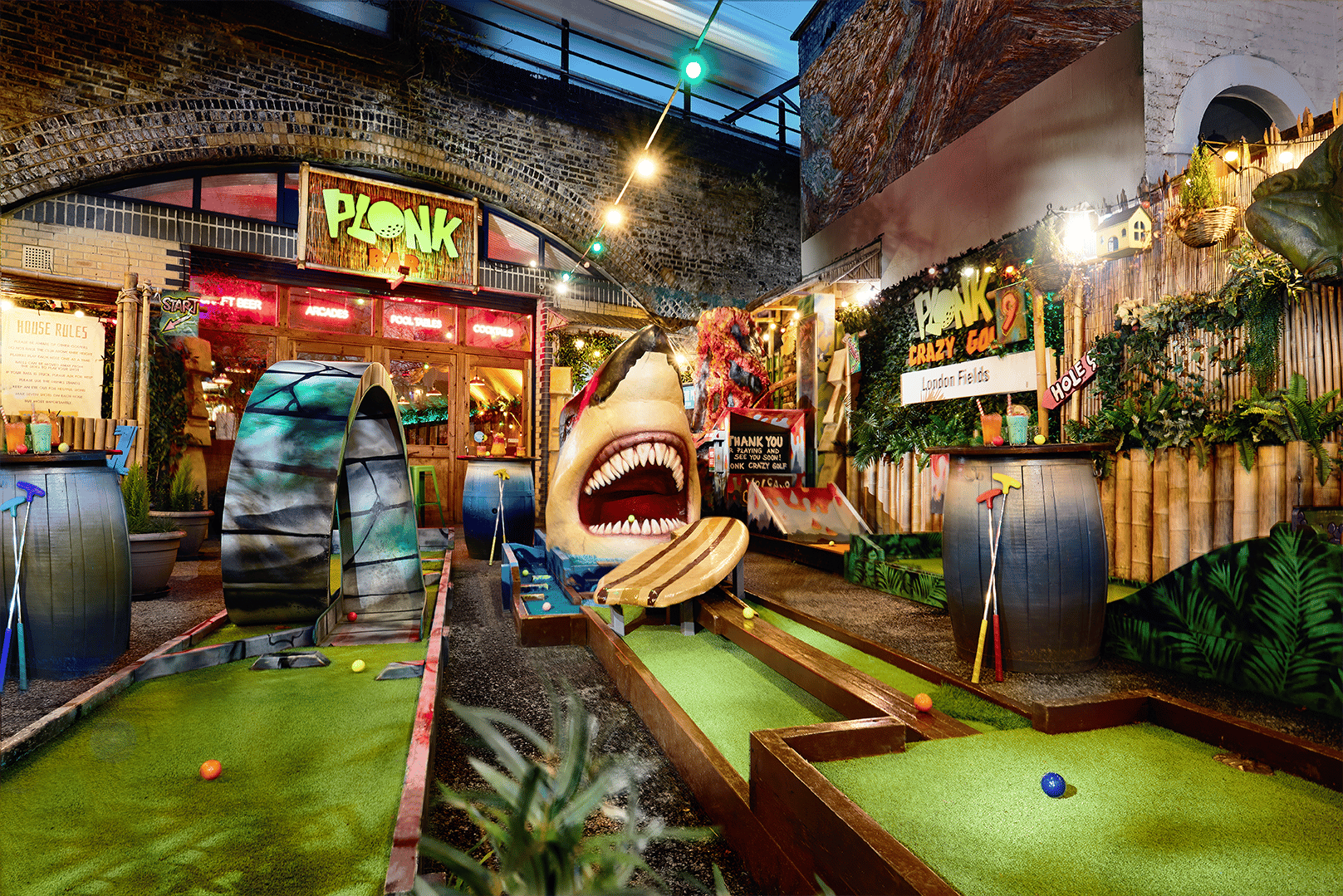
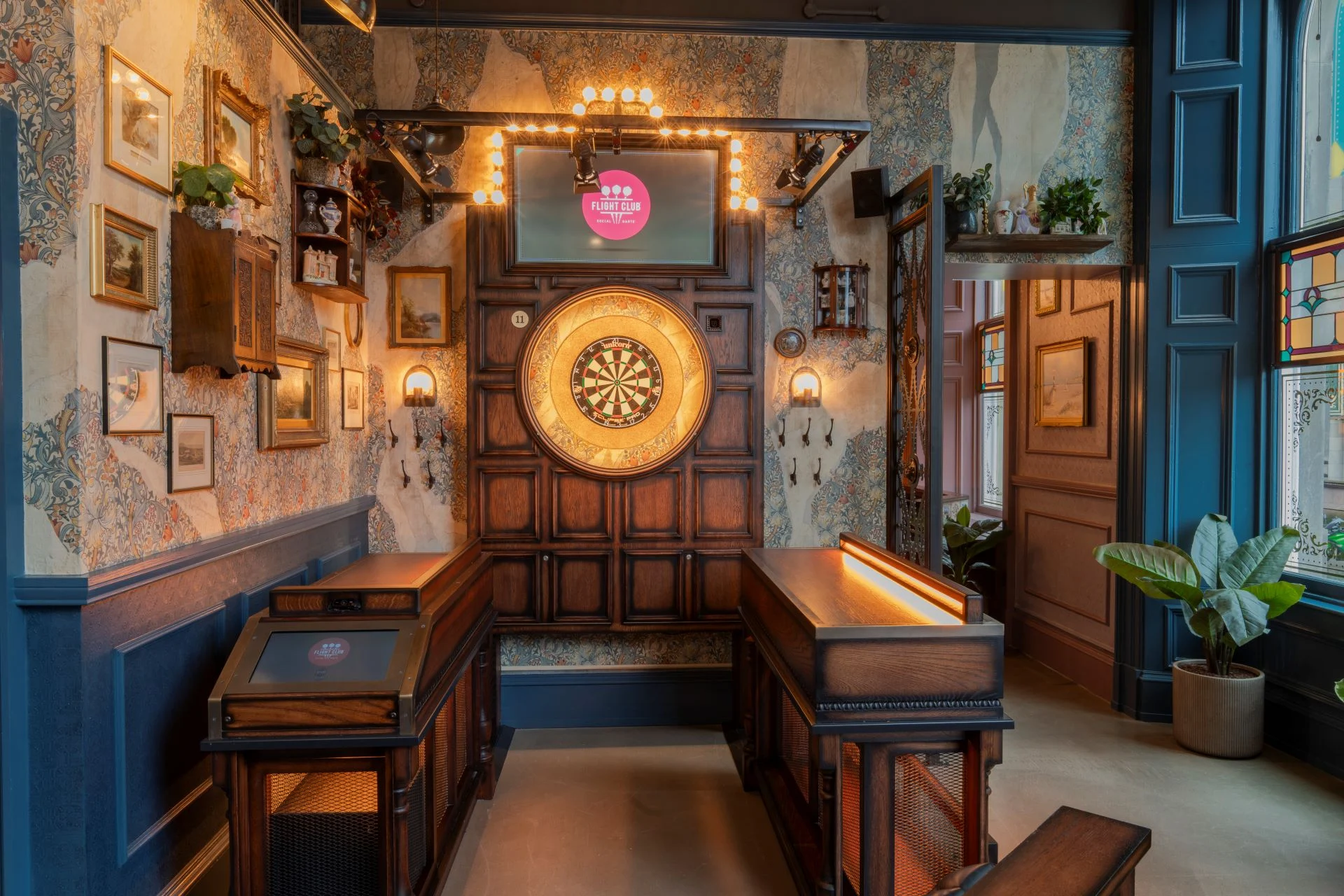
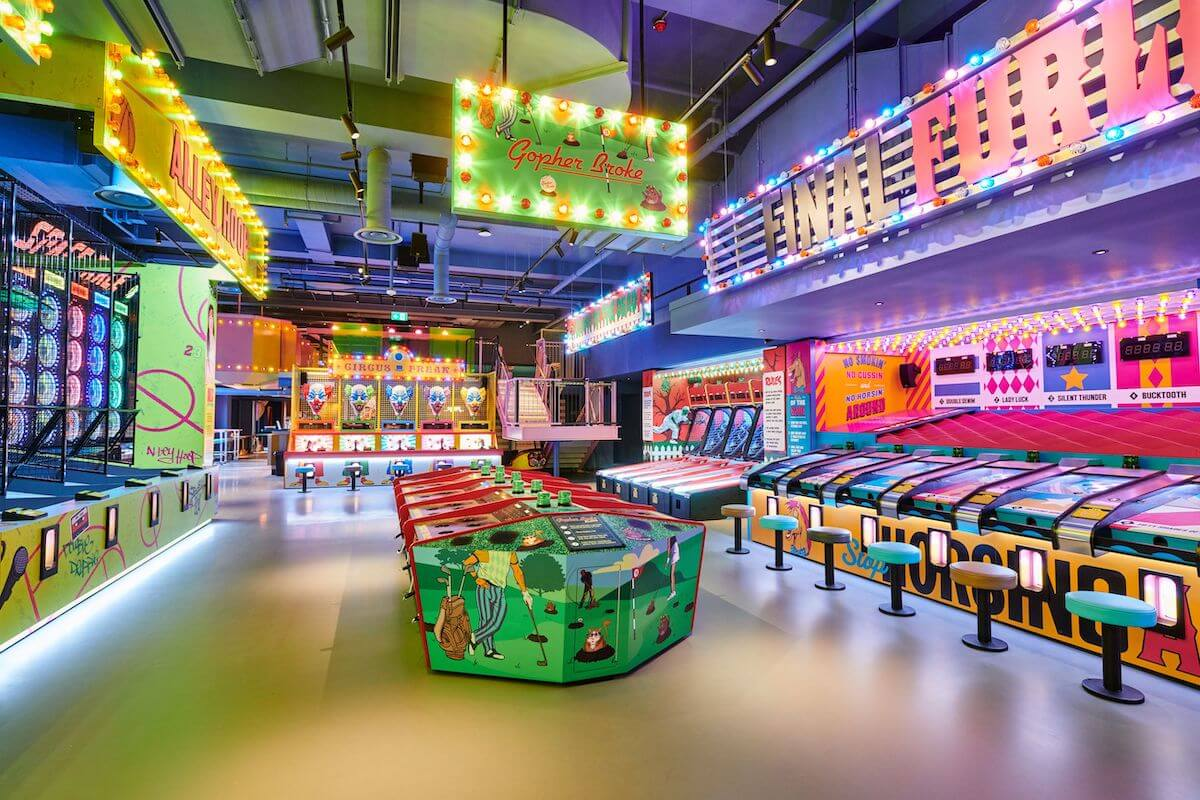
There are few large towns in Europe that do not have at least one Escape Room experience.

These are just the tip of the iceberg, as the total economy includes Concerts, holidays, events, and a bucket load of other occasions where a single or group of consumers spend more on experiencing something as opposed to just buying a product, for the primary reward of enjoyment. This has an exponential impact on consumer spending within the wider economy.

The obvious losers in this are those in Hospitality. But I think that is sort of missing the point. Every retail outlet that looks for the discretionary spend can lose out, and in many cases, probably are. Hospitality is part of the Experience Spend, or certainly should be. Yet Pubs,and restaurants in the UK are all facing tough times. It is no longer just about throwing pints down your neck or eating as much as you possibly can in the ‘all you can eat’ buffets.

If your business is not an obvious player in this market, how do you access this spend? With difficulty. Within my own marketplace of Party, it is really important that you keep well informed of any of these events that maybe occurring within your locality, as there will be opportunities to attract participants spend particularly where there is any level of dress-up involved (See below where both Glastonbury and Music concerts attract a level of dressup)

There is, often, a more deep-seated problem with independent businesses both in hospitality and retail. Many tend to be reactive and not proactive. Locally to me, there are many restaurants, a large number struggling with the lack of spend. About seven months ago, there was a new player in town. A great deal of money had been spent on refurbishing an existing operation that was not doing especially well. That was just the beginning. From Day One, it has been a roaring success.

Why so? The offering is first class, insofar as the service is top notch (much of the team is very young and inexperienced – it is about leadership and training), the food and drink are excellent, and there is a terrific atmosphere. But it does not stop there. They are constantly engaging with their client base. There are the obvious occasions, such as Mother’s Day & Father’s Day, Easter, but they pounce on every possibility. Only recently, it was apparently National Fish & Chip week. Virually every week, they give a reason (and small incentives) to visit their operation. Most of the competition will be offering great food, good service, and possibly fair prices but they are not engaging.

There is a distinct vibe amongst many; It is very tough out there. There is a cost of living crisis. The consumer is not spending. Of course, there is a lot of truth in those few words, apart from two words in particular: Not spending. They are spending, but they don’t have so much to spend . Or that can be filtered a little further, there is a chunk of the population who have less to spend and they are spending it elsewhere.

None of this is unique to the UK economy; it is reflected in most European States. There are plenty of universal challenges to Retailers of any sort. Very recently, a report in the UK illustrated that food sales were down in May. It was suggested that some of this may be due to the new weight loss drugs and the consumer dramatically altering (or being altered) their eating and drinking habits. Clearly, this will not only impact food stores but a whole chunk of hospitality. Those offering ‘all you can eat buffets‘ will have to be especially creative. ‘All you can eat salad ‘ doesn’t have quite the same ring .

Whenever you are looking at your takings and consider that the problem is entirely that the Consumer has nothing less to spend, just think of this weekend (last weekend June 2025).

There is some spare cash around; you just have to find ways for your business to have its share.
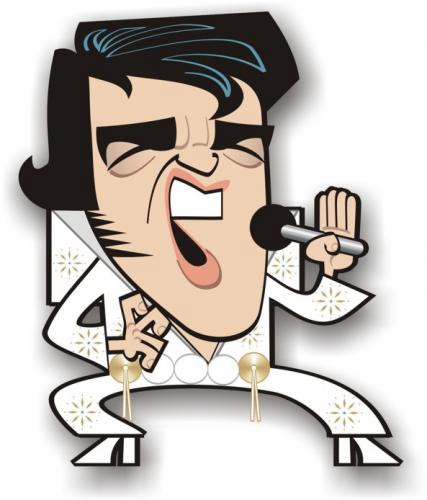
All Shook Up….World Politics ..and no less than the Retail Party Market!

Oh, well, a-bless my soul, but what’s wrong with me?
I’m itchin’ like a man on a fuzzy tree
My friends say I’m actin’ wild as a bug
I’m in love
I’m all shook up
Hmm, ooh, yeah, yeah, yeah

Elvis Presley

I am fascinated by World Politics but am not even remotely qualified to comment apart from the ‘bleeding‘ obvious, it is all shook up , at least in the Western Democracies . I am fascinated by the party market, remain unqualified but have at least enough years within the market, feel I can have a vaguely qualified opinion. For those who don’t know, I am not referring to THE Party market, in terms of having an apparently great time , throwing vast quantities of alcohol down your throat , a quantity of ‘Party?’ drugs, playing monotonous music and in some cases hours and hours of sex ! Well that’s what I have been told. I mean balloons, fancy dress, and party decorations. Sex and drugs maybe involved but not within the Retail Market place. I think? That said I am a bit like the Drug dealer who says…..

Or at least those I watch on telly say that! I don’t go to parties but I sell the stuff that is used to create a party atmosphere.

When £70 million plus is spent on Glastonbury Festival tickets, in a matter of hours after the official web site opened for 2024, the Party market is struggling to find consumers who will spend any money to have a party at home . This is not a UK problem , I know for certain this is a world wide malaise.

Within the last 2 months, 3 of the leading brands have encountered severe financial issues. Smiffys, Amscan and Qualatex (Qualatex in North America problems started over 18 months ago) the three leading brands in Dress Up, Party and Balloons, are in the process of being restructured in one way or another. How and why has this all happened in such a short period and at virtually the same time ?

Traditionally the Party market has always weathered Economic downturns . I can remember quite clearly that during poor economic climates in recent decades it has stood up well and in some cases flourished. The consumer whilst strapped for cash, stopped going out or having celebrations in third party locations stayed at home and spent what they had on making the home party, the fun place .

So what is different? A maelstrom! I am averse to hyperbole but I think in terms of context , it is not hyperbolic. It is, if nothing else, a perfect storm and below I have bullet pointed in no particular order my reasoning. I will, then, qualify them in a little detail . All of these I believe are relevant in Europe but what I can gather is it also true of most consumer based societies.

Covid has been used as answer for a whole load of stuff. However, there is a lot of validity in many of the rational, massive change in consumer behaviour, supply disruptions, peaks and troughs in demand. Some of those peaks being slightly false because they were magnified by shortages of product . All the many implications highlighted long standing weakness in the supply chain.

Cost of Living

Without doubt has had a huge impact over the last 12 months. It may seem a little supercilious to say Why? As it is blindingly obvious. Yet it is not as simple,as above, in previous recessions party has faired well. The next 3 points have a lot to say about Why?

Change in Consumer Behaviour

Covid has had a major influence on consumer behaviour. I don’t really think anyone knows quite what those changes are. However, one very obvious change and example within the party market was the use and consumption of balloons (especially Latex) . It created a huge boom (more bubble in my view). Consumers being at home watched loads of youtube videos on stuff like Balloon Decorating and wanted to get in on the act whether for personal amusement or for starting a business. There was plenty of online information on how to do this and for a start up business it was very inexpensive to get set up. And set up they did, in their droves.

Going from the market being starved of product , the market is now over supplied and many of those who started small decorating business have discovered it was not quite as easy as they thought and it certainly was not as profitable.

This, however , is only one example, there are many others , yet for the most part, and I repeat, none of us know as to what they are .

Part of this change maybe along the lines of an article I have just read concerning Treatonomics . This, according to some journalists in the UK Times Newspaper, is where those on a reasonable income , but have little disposable income splash out on having fun. Generally involving going to some event or other. It has come to light when Barclays Bank has estimated that the recent Taylor Swift Tour in the U.K generated over £1 billion in additional(not including Swifts own take) revenue. This is just not ticket revenue, but hotel, travelling, eating out , drinks and everything else involved on going to a major concert. It has a term , yes, you are quite right, swiftonomics. It is not only confined to the UK as most other cities where she has performed are recording a similar impact. Moreover, some heads of state are asking for her to perform in their countries. Chile was very peeved as she decided on Argentina and Brazil . ‘What about the Chilean swifties?

The Chinese

This is not about the current concerns among Western Governments’ security concerns, or a poke at he national identity of the Chinese nation it is rather more direct and obvious.

As a market place we have just about got our heads around Amazon & eBay . Both heavily laden with Chinese Product. But it has not stopped there. We, the party market, have the likes of Themu, Shein, Aliexpress (Thanks David Beckham -see TV ads) to contend with. It would be very naïve to think that these have not sucked a load of consumer demand away from the traditional supply chain. Within that chain I would include home grown B2C webshop buying from local suppliers as well as market place sellers and Independent Party Retailers.

Market Changes

Prior to 2020 there were indications of market changes. For example within Party dress up, there was a consumer move away from full costumes to dress up accessories. Certainly in Europe, the costume market had peaked and was at a plateau. Within the general party market , which had developed enormously over the last twenty years, there was a feeling that it had a come to a standstill. I couldn’t count the number of customers who said ‘we need something new’. Of course there was and is a lot of new product but general it is always a variation upon on a theme. The consumer has or is changing and we have not been changing enough within the market supply chain . Circumstances now tell us we have to.

So why have 3 major brands all gone down at the same time? Is the market over supplied? Probably. A big problem within a relatively small market ( it is not mobile phones, cars, or fashion . We are talking about occasional purchases generally of lowish value) is that when a Brand dominates a market, it is difficult to achieve growth. As a consequence I believe some of the bigger players have made errors in their operations because they were striving for double digit growth or at very least market domination. If you supply all the major outlets in your market place where are you going next ? Just as significant is if you loose a major player or have your range reduced, how do you replace it ? I can only speak in terms of the UK but I am pretty sure it holds true in Europe, that the majors are supplied on a much reduced margins. If that were the case in many cases it would only act as contribution to overheads, losing that business means no contribution to overheads. Where do you go to replace this business when you are a Brand leader? An oversimplification perhaps, but it illustrates some of the problems facing big brands. What are the options ? Less turnover bigger margins. Old saying…..

But that, of course, is only part of the problem. There are other structural issues that are not easy to quantify and certainly not in a short blog. Whatever, the case the failing of major brands, it is not good for anyone. It is not good for employees, it is not good for the market in general as it creates uncertainty, at a time where there is already much uncertainty and it is not good for all the suppliers of these brands as they loose major customers, monies owed and most probably losses on existing deliveries much of which can not be diverted elsewhere. I know the latter to be true as having been contacted by a couple of such suppliers. Also it possibly leads to a short term influx of cut price merchandise . This may sound great to some , but is just one more destabiliser and devalues the stock already within the chain.

In the medium to long term the market will stabilise and the existing supply chain will learn from past mistakes and truly take stock of what the market needs and how it will operate . I am still very positive about the future of the Party Market going forward. I think it will come out of it much cleaner, more efficient and greater understanding of how the market will be in the coming years.

Why the Elvis song ? Well the title works , the image perhaps not, the lyrics definitely not but for those who don’t know, the owner of the new Smiffys, owns Graceland !

Encumbered by Numbers !

  • 5.25% Current UK Bank rate (August 2023)
  • 7.9% UK inflation rate (June 2023)
  • 2.9% drop in house prices in the UK (July 22 -July 23)
  • 2.25 % Bank of England May 2022 forecast for Bank Rate May 2023
  • 96% of GDP to 267% in 50 years’ time in 2071/72 (UK Office Office of Budget Responsibility)Net debt as a share of GDP rising – When has any UK Government- probably includes any western democracy- been interested in anything longer than the next General election
  • $300 trillion Global debt(December 2022 -World Economic Forum) (US accounts for just over 10%)
  • £0.70p average price of a pint of milk in the UK August 2023 (Office of National Statistics)
  • 1.5% increase in UK Retail sales July 2023
  • 1.9% increase in UK Retail footfall (same period)
  • 3 in November -The age of our Dog Ari
  • 384 – BC the year Aristotle was born
  • 7000 – the number of trade prices I am supposed to remember (or so think some of my customers)
  • 5.6 million -number Airbnb listings worldwide
  • 7.9 billion -world population 2023
  • 2.3 million US properties underwent foreclosure during the Sub Prime market in the USA between 2007 & 2008
  • -4.1% (note this is a minus figure) China’s deflation figure August 2023
  • 47.8% Turkish inflation rate – July 2023
  • 64 million- number of shipping containers world wide
  • 29 million beef cattle in the US in 2023
  • 20 million penguins on Antartica
  • 392,000 hotel rooms in Spain
  • £84 billion -valuation of Pinduoduo ( owner of Temu latest Chinese market place)
  • 9 million downloads of above Temu app in the U.K. , since launch in the U.K. four months ago (August 2023)
  • 91 indictments faced by Donald Trump
  • 3-1 the odds on Trump winning Presidential election in 2024

The point being….. We are bombarded by numbers every single minute of the day . Most we ignore but most are actually interrelated, and in some way effect all of us either personally, socially or in our working day. All of the above (with maybe the exception of the name of our dog) are interconnected in some way or another . Its a bit like the Chaos Theory of the butterfly that flaps its wings in Tokyo and ends up with a huge storm in the Mediterranean. This may not be an exact hypothesis but hopefully it gives as a reasonable picture as any Mathematical Theory does.

What we have to do is try to unravel those numbers that come to us and we think have an influence on our own businesses .

Unravelling is not an easy task, apart from anything many of those relevant numbers change . Only this week the UK HMRC stated that the tax take for first half of the year was higher than expected . Thus making the public purse look healthier . How so ? Everyone, whether companies, employed or self employed or retired and receiving unearned income, has to make a tax return. That Return determines how much tax is due . So where does all these unexpected tax come from ? Some shady deals where some weird taxpayers want to overpay their tax ? Me think not .

All of a sudden underlying inflation in the UK is dropping quicker than expected , when only last month we were being told it was very stubborn. So if the number makers cant get it right what chance have the rest of us.

My view of numbers is to look at your own. That is is to say if your operation and your customer base is still spending make sure it continues . By that I mean there are many retailers who look at the numbers (cost of living, inflation, media reports ) and think ‘must batten down the hatches‘. This usually involves buying no stock . So as they have no stock , they sell less and are proved right and buy even less. Look at what is happening around you, not what others are telling is happening elsewhere.

The Times August 25/08/2023

Same Newspaper , Same day (they were actually on opposite pages ) 2 very different sets of numbers .

Many a good retailer has told me that an empty hook doesn’t pay your rent . If you can only fill it with product that nets you a penny . That penny is better than nothing . If a customer walks into a store and there is nothing to buy, then that is exactly what will happen. They will buy nothing . But they will go elsewhere and buy that something. I experience empty shelves or hooks virtually everyday . Every empty shelf or empty hook= Potential Lost business and customer.

The media is stuffed full of numbers and most have some form of veracity or at very least they have at a point in time and place. But Context is the critical consideration . How do they relate to my business ? More importantly how do we react to those that are relevant .

If your business is not doing well, it is too easy just to blame it on the cost of living crisis, inflation, or the economic situation . Any one, or all, of those may indeed be the reason but those are not in your control . You can’t effect any of those . There maybe other factors either local conditions or something within your operation that you can affect. If your business is doing well , the very same things apply , but look at why you are doing well and don’t let the negatives alter your course unless there are very direct or obvious reasons for doing so.

Don’t let the Number Encumber ….

Whose the Party Pooper…?

Reader Warning !

For those who may be offended by the intrigues, complexities, dark arts, hidden secrets, and just sheer audacity that go to the extremities of the Party market , should , perhaps look away. Read no further . Hide behind the latest Stephen King, some Shakespeare or maybe Jean Paul Sartre. This may not be for you .

And for those whose first language is not English …Party Pooper is someone who ruins a happy occasion .

This is a return to the roots of the Blog Title thepartyblog.org .

The party market has always been dynamic. Or rather in the last 10-15 years it has. Prior to that it would be difficult to argue . Much has happened during the pandemic ,some of which was happening already but was rapidly accelerated by the events of the last two years.

To avoid confusing myself ,I shall divide the market into 2. Decoration, including Balloons and Dress Up.

Decoration

It might seem to be stating the blindingly obvious, but Covid was a game changer. Yes, of course it was , but not ,perhaps, in the way that most think. There were changes afoot in the way the UK consumer approached decorating for parties for a number of years but after the first few raw weeks of lock down in April 2020 ,this went into overdrive. Well summarised by an Observer(UK Sunday Newspaper) Journalist …

You might think Covid – no parties (except in Downing Street), no proms, no fun at all – would have popped the balloon bubble. Quite the contrary. As Kasiri says: “People were still pregnant, they were still having birthdays, baby showers… although they didn’t invite guests, they still wanted a backdrop so people could attend on Zoom or pop into the garden.” Elari pivoted to contactless deliveries of bike-sized backdrops, as a balloon arrangement became the consolation prize; a cheer-up for a cancelled celebration rather than the inflatable icing on the cake.

Emma Beddington -Observer 10th April 2022

I believe that, initially, this was very much a UK trend. It was not confined to Balloons as the consumer decided that if they could not go out for their celebration they would make very best of it at home and as it was very adult centric , the results were often quite stunning . Emma Beddington puts it quite succinctly….

Animal sculptures are Old Balloon, along with the traditional packet of primary-coloured ovals, effortfully inflated and tied by apprehensive parents, pre-party, and just sort of tossed on the floor, perhaps rubbing one against a jumper to perform the never-not-funny static hair trick on a nearby child or tying a couple to the door knocker with string. Also Old Balloon: a single, or small bunch of foil “birthday girl”, “18 today” or L-plate helium-filled ones, dragged round streets and into bars, bobbing chaotically in the wake of a group of lairy revellers, eventually abandoned in a club queue, floating up, up and away.

Today it is more about design , creativity and impact.

Now Party Decoration , at home or somewhere outside the home, has taken on a different meaning. This provides a challenge for Retailers, whether online or on Street. It is essential to keep a very close eye on trends . It is no longer enough to rely on your suppliers to tell what are their top best selling items as today’s best sellers are very unlikely to be tomorrow’s . Although it pains me to say this, but what the Kardashians do today , millions try tomorrow.

This has created an retail environment of opportunity. Not to say there will not be challenges . However, the days of filling your store with product, open the doors and let the punters pore in are over. Though in reality, it was never quite like that anyway but the consumer will expect more in terms of the retail experience. They will want to see new innovations , ideas, product and retail colleagues who can help them achieve the party atmosphere they want to create . It will no longer be sufficient to refresh your product ranges once a year (some retailers don’t even do that ) . Speak with your suppliers, talk with your customers, look at social media These are opportunities that the supermarket or discount chains cannot access and are very difficult for websites of any format difficult to gain any traction.

As a footnote , here is a fairly eyepopping figure from the Observer, although a source is not declared. Nevertheless it is fairly impressive…..

the global balloon market is big business: it was valued at $647.3m in 2020 and is predicted to grow at an average of 4.2% until 2026.

Dress Up

The costume and dress up market has been undergoing change for, probably, the last five or six years. It is widely considered that the market (throughout most of Europe ) in costumes has plateaued and possibly is in a slight decline. Throughout the pandemic it was virtually none existent . The opportunity to wear fancy dress simply did not exist . No hospitality, no parties, no travel, no sporting events, no festivals. All, of which are major dress up opportunities. But, Covid aside, there was a move away from buying what is basically an one off purchase . That is to say if you buy a Roman Gladiator costume, you only really wear it, if you are going to be a Roman Gladiator.

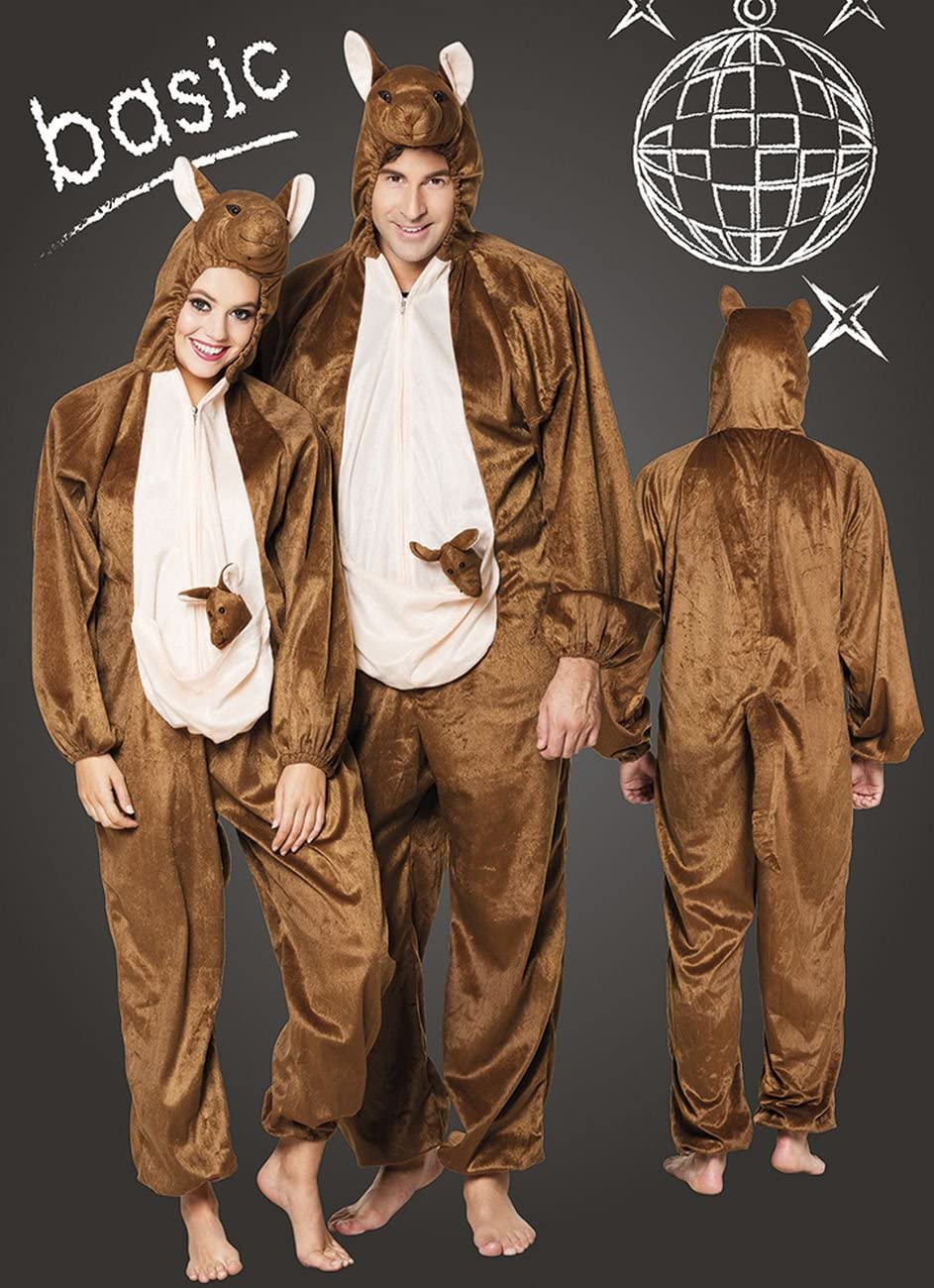
Jumpy People or Kangaroos? Any other ideas -Boland Kangaroo Onesies

During the pandemic there was a uptick in accessorization ie the use of wigs, beards, glasses, anything to enhance the atmosphere with the temporary trend of Zoom Parties. But again it just nudged on an existing trend whereby using accessories , the consumer found the ability to adapt product they bought for one occasion they could use for another . Moreover, it once again it encouraged creativity as a daft hat or wig could be used with your every day clothes or other items. Pre-Covid this was a trend very evident in recent Halloween themes. Wear a Pirates hat and beard at same time as wearing Devils Wings and fake blood . This will continue and develop. Initially online and High Street Party retailers did not like this as they were losing a single sale of £30-£40 plus and have to make several sales in accessories to make up the lost revenue. Then they started to realise, although more work was involved the margins were much better and there was less competition from the Supermarkets, and discounters as they are unable to offer the extensive accessory ranges you need to make this work.

So who are the Party Poopers? No, not the party loving UK Prime Minister. Covid, disrupted supply chains , Russian Invaders, fuel costs and inflation. Each and everyone is interlinked in some way or another. Covid is continuing as a major problem primarily due to the way the Chinese Government is handling the problem in China. The locking down of major conurbations fundamentally mean that many factories of all shapes and sizes and not operating. Compounded by the Chinese Government limiting energy supplies to certain manufacturing areas. Rampant world wide inflation will put a damper on consumer spending. So it is not a good look and these disruptions are here for some time . However, I am reasonably optimistic. The Party market often does well when there are major economic pressures. The Retail price points are such that whilst the consumer may think twice about having a lavish celebration in a third party environment they will spend on ensuring that celebration at home is made all that bit more special . Lockdowns highlighted this pattern and I believe it has created an awareness with the consumer that will persist and grow. But the retailers, of all types ( and suppliers) will have to work for it.

To conclude with a riposte to all Party Poopers …..

“Nobody can be uncheered with a balloon.”

A.A Milne -Winnie The Pooh

Who Needs the Big Brands ?

So….I think there are 2 types of ‘Mega’ Brands.

Rock Hard (Hard Rock looks better but makes no sense ) and Soft Rock (looks better and sounds OK).

Rock Hard

Equates to the likes of Apple . When a consumer goes online, or goes in store, and searches (asks) for Apple, that is invariably what they are are looking for. An Apple Product and not something that is a bit like an Apple product. I think there are few that fall into this category . Coca-Cola maybe be another. I, for one, when asking for a Coke (rather unfortunate additional connotations here) I am asking for Coca-Cola and not Pepsi nor any other Cola. I think this may fall into a bit more of a sub category HardSoft .

Microsoft, perhaps McDonalds, certain upmarket Car Brands, and in a very peculiar inverse sort of way Google. By that, I mean, many will use other search engines but will inevitably say they have Googled something. When did you ever here some one say …

I Binged (edged, chromed, safaried…..) such and such.….

Like it or not Amazon cannot be excluded from this Grouping as they most certainly do not fall into the category below as nobody benefits from the Amazon brand apart from Amazon.

Soft Rock

There’s loads of these. Big Brands which have positive impacts on generic smaller brands.

Levi’s, who hasn’t gone into a store looking for Levis when what you are, actually, doing is looking for a pair of Jeans. Hoover became the generic term for Vacuum Cleaners. Even Dyson is often used to describe bag less or cordless upstarts.

This category is littered with huge world wide brands but in most cases other smaller players benefit to a degree from the consumers awareness in the product because of the Big Brands own activities.

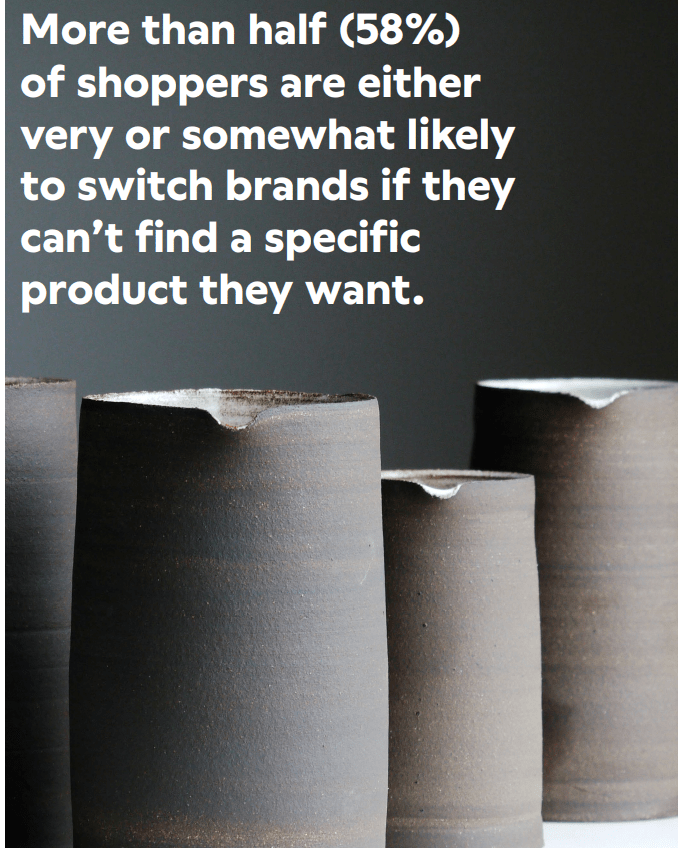
All these Super Brands spend hundreds of millions each year promoting their products in order to remain Super Brands. Yet some fascinating research has just been published.

http://www.inriver.com Feb 2022 via Retail Gazette

We commissioned OnePoll to
conduct an independent survey
of 6,000 online shoppers from
across the US, UK, and Germany
to share what they think about
poor product information,
availability, and findability.

As Above

There are a whole bunch of reasons why these surveys have come up with these sort of results. One, which is certainly relevant for me, is often whatever I am searching for , I don’t know of any
significant brands. I want to see whatever brands are available or more simply I have not the slightest idea of what I am looking for. At this very moment I have no doubt there will be a whole raft of consumers out there looking for Wifi Connected Swim suits so they can remain
connected whilst sunning themselves in the Mediterranean Sea and are not separated from the internet . They wont know who makes them and certainly not the brands. No, they don’t exist (-yet and yes I have checked ) but I think it works as an illustration.

Within our own industry (ie Party) a major latex balloon manufacturer’s brand has dominated the market for many years. And for good reason. They produce an excellent product and they invested heavily in marketing. However, a change happened during Covid (yes its that word again) . Supply disruption occurred. The market needed product , as there was huge demand and they found alternatives . The alternatives were found to be more than acceptable replacements . The consequence was a major distillation of the brand and a huge increase in product choice.

This effect migrated into other party products. Retailers reliant upon major brands could not get the stock they wanted started to look at other Brands who had stock. Hey Presto ! They suddenly discovered that there were other good brands out there and the product was just as good and sold as well if not better.

As above

I am not knocking good brands. I have spent most of my working life trying promote brands in various market places . My point is that I think ‘professional’ consumers i.e. `buyers should re-evaluate the brands they rely on and ask themselves are they really getting value for money . The amateur buyer i.e. the end consumer , according to the research seems to know better ……

Have you heard ?…Retail Stores are the thing of the future …….

Shops on the High Street ….you wont see one by Spring 2023

Old Saxon Retail Times

There wont be a single bricks and mortar shop left in the UK in 12 months

George Porkpie

I ain’t got that intanet thing.. ‘ow am I going to buy me stuf..

Ivy Asbeen

A great deal has been has been reported about the rapid demise of the Hight Street Store, never more so than in the last two years , so the following may come as a bit of a surprise.

In the past 18 months, retail has gone through one of the fastest and most demanding transformations in the past decade. As a result, the role of the physical store has and is changing profoundly. For example, retailers are embracing new functions that are key to define the quality of the shopping experience delivered to customers.

Despite the “online-shift” assumption, the physical store is actually gaining centrality in retail’s operations. 76% of retailers agree that, following the pandemic, the store is becoming a more important asset in the customer shopping journey, expanding its role as experiential and fulfilment hub.

Retail Gazette/IDC January 2022

The fundamental role and purpose of retail stores are changing. Digital transformation forced brick-and-mortar outlets to evolve as more of the path to purchase shifted online. Now, as e-commerce expands, retailers are reimagining the functionality of stores and tapping into digital tools to keep those stores relevant.

Physical retail will remain the largest and most important channel for the foreseeable future, but how space is leveraged will transform. In Euromonitor’s recent Commerce 2040 virtual event, Jason Goldberg, chief commerce strategy officer at Publicis, noted that stores are no longer a singular touchpoint in the shopping journey; now, stores play several roles, becoming platforms that serve multiple missions and stakeholders. Michelle Evans -Forbes December 2021

Whilst this a welcome step, it is important to consider two words in the IDC report.

Experiential

Fulfilment

What this implies is an environment where you can undergo the experience of the product or service . Plus the store will be a smaller fulfilment hub .

Not that there is anything wrong in either concept as the key factor will be bringing the consumer back onto High Streets or other retail environments.

An example of an Experiential store is…….yet here is another ‘flippingeck moment ….Netflix

Netflix is expanding its retail operations further as it announces plans to open its first ever permanent physical store next year.

The streaming giant, which opened its debut online store last month, plans to open a high-tech physical store in Tokyo, Japan, in 2022 aiming to “merge the virtual world of the internet with the real world”.

Netflix is understood to be introducing a host of experiential features to its new store, while selling a range of merchandise from its most popular shows in line with its online offering, according to The Japan Times.

In other words Disney store with attitude.

Here’s another Experiential Store, which offers a truly strange but very interesting possibilities

London’s Westfield shopping centre partnered with teams at TikTok to create the concept. The pop-up has an area of about 370 square metres and will be open until 8 August (2021)

For shopping centres, it can be a tool to attract more visitors again, after the decline caused by corona. ” TikTok has become a cultural phenomenon. It’s where many of our visitors are getting their inspiration from, whether that’s fashion trends, the newest home styling influencer or foodie fads”, says Harita Shah of Unibail-Rodamco-Westfield.

Retaildetail.eu

Who would have thought five years ago that there would one let alone two types of Amazon physical stores?

-Amazon Fresh Stores -checkout free grocery convenience stores (currently 15 in the UK)

-Amazon 4 star stores- Range of 4 star plus reviewed products from the Amazon web site (currently 2 in the UK

Amazon Fresh -Wembley UK

Who would have thought five years that IKEA would open Town Centre ‘Convenience style’ (my words) stores ? It is not actually that small at 4,800 square Metres but it is on the High Street-and is small in comparison to their regular stores.

Who would have thought that any of this was good news ?

I do .

Well at least in part.

What is the one common feature of any type of retail ?

They all need to have Customers.

What is the one common impact of all these developments?

They, all , for many different reasons, will attract loads of potential customers. Whether it High Streets, Town Centres or Shopping Centres, it will bring old and new consumers back in numbers

Over the as last fifty years, town’s main shopping areas have had a corner stone or key store attraction. These were often Department Stores, most of which have gone. Even the ones that are left have reduced their exposure (eg John Lewis ).

Whilst many of these Brands maybe considered anathemas to many , there is no doubt they are crowd pullers. What these Brands understand and are very good at, is Branding . Part of that branding is the permanent reinforcement of being on a High Street. They also see the value of physical locations within centres of population as the retail environment continues to develop.

And whilst many retailers may not see this as welcome news, they should maybe re-evaluate they way they operate and take advantage and welcome these potentially dynamic changes. Flipping’ eck it is, I think a very positive step in bringing people back on the High Street in numbers.

Moreover, whatever we think of any of these brands and where they pay their tax they still employ in big numbers and they attract spending in big numbers. The independents out there, and maybe next door to them, just need to make sure that some of that spending goes into their tills.

The Power of Colours….Or is Beige really that Exciting ?

Julia is an Artist. I have spent the major part of my working life in the Party Industry. Anybody who may know me would not say I was someone really into Colour. Anybody who knows me well, would same exactly the same .

Yet…..On so many levels , I am mesmerised by colour. It plays such a monumental part in all our lives , eating, dressing, transport, health through fitness, travel, education to politics, science and religion. Colours are a predominate factor in all our lives, for good or bad .

It dresses you, envelopes you, invites you, beguiles, encourages, politicises, hurts, invigorates, creates, good or evil, you cannot avoid it.

Since I started posting I have assiduously avoided making any sales pitches. This once, I make no apology for a little pitch. Latex Occidental ( A Mexican Latex Balloon manufacturer – the largest in the World -Brand Globos Payaso) is kicking off 2022 with a programme called the The Power of Colours.

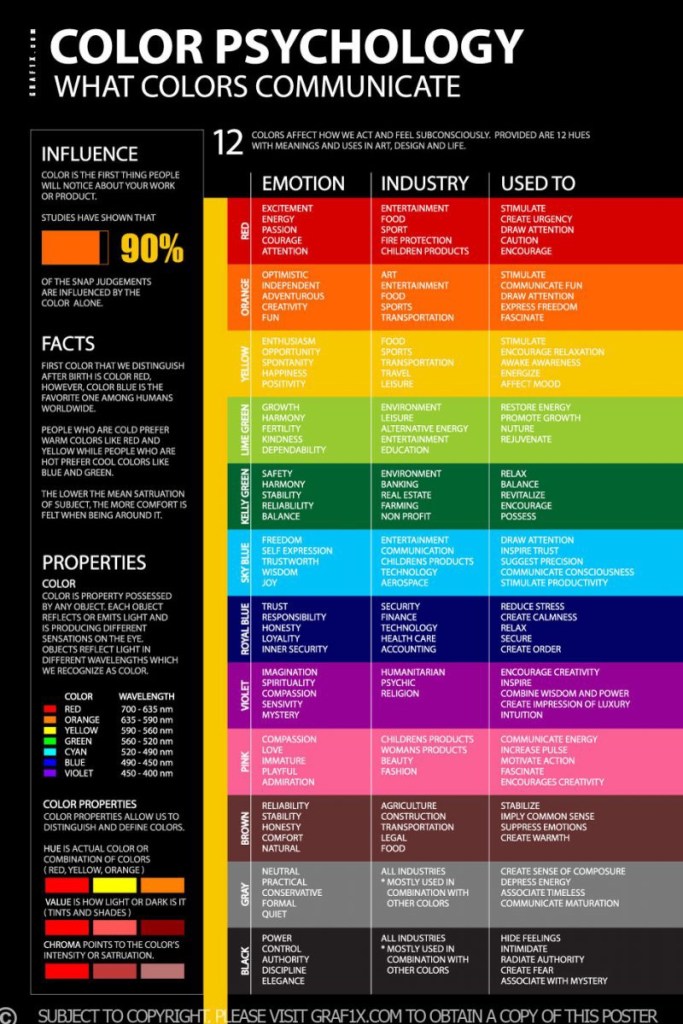
Initially, I thought Nice idea ….The more I thought about it , the stronger the phrase became until I thought that’s a great idea . I suspect we are all guilty for taking colours for granted . The concept is so much part of our daily lives that we rarely think about it in its entirety .

Courtesy GRAF1X.com

Party Product is all about Colour. It may seem strange but there was a time when most disposable tableware was white and white only . Latex balloon manufacturers may have made maybe ten, tops twelve colours. Foil balloon makers started with silver only (came from the base colour of Mylar- I think). Drinking straws where white . Now, Colour is (obviously to some) party paramount. There are loads of influences, the fashion industry, home decor but much of what happens today , within our market comes from Social Media. This has a huge impact especially within areas such as party decor and balloon decoration. During the last two years, colours that have often lay dormant within suppliers warehouses suddenly burst into favour. When asked what was trending in their area, one of my very knowledgeable clients responded succinctly ….

Various shades of poo !

As a consequence……

Beige came of Age !

Me 😁 January 2022

Everything that you can see in the world around you presents itself to your eyes only as an an arrangement of different colours

John Ruskin

Colours express the main psychic functions of man

Carl Jung

The Pantone Institute, the ‘go to’ organisation for world wide colour specifications since the early 1960’s , forecast the ‘colour of the year’ . This process is carried out by bringing together colour specialists from throughout the world as to what they think will be the trend for the coming year . 2022 it is Very Peri. A colour specifically invented and inspired from A Happy Periwinkle. Or in a more simplistic manner,is a new shade of Blue.

Within the Party Market, we are very fortunate in being immersed in the world of colour. It has spawned a wealth of creativity, especially within the world of Balloon Decorating. At the very same time, more especially over the last 2 years, there is much heightened consumer awareness of the vast number of colour combinations available. It is generally accepted that there are about 10 million colours that the human eye can detect . That’s a heck of a lot (in this case heck is a lot bigger than vast) of possible combinations.

Courtesy of Latex Occidental (Globos Payaso) -Susana Guerrero

Despite the all pervasiveness of colour there has been little scientific research into its impacts. Or rather there has been quite a bit but little agreement. Aristotle (not our dog in this instance) made the first acknowledgment of colour , however his conclusion was that colour derived from God. White being good and black evil. I think whatever your belief you would comfortably find the problem with that thesis .

Sir Isaac Newton, by analysing sunlight through prisms isolated the colours of the rainbow. Which is a bit handy as the following possibility, would made the world a very different place ..

…if the Sun’s Light consisted of but one sort of Rays, there would be but one Colour in the whole World…

Sir Isaac Newton -Optics

Which conclusively illustrates that Beige is incredibly exciting …..

For those of us, albeit in a very small way, who have the opportunity to influence the use of colour in their working practices, should think about phrase of the power of colours, as apposed to the use of colours. Many probably do it anyway without actually saying it. Like many things saying it out aloud often gives it a stronger impact . But I still be wary about shouting out that beige is exciting ….

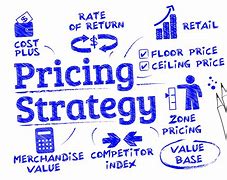
Pricing ……Art or Science? Pricing Art is not a science…..

Julia paints. Yes, pictures. It is not quite that straight forward but it suffices for the sake of discussion on pricing theories , which is something we, often, toss backwards and forwards in our day to day chatter, especially prior to an exhibition where a piece of her has been selected .

When selling a piece of Art, there a number of considerations to consider that are not dissimilar to selling anything else .

  • Cost of materials
  • time and labour (for artists this a little bit of a conundrum, as in many cases is this was done properly most art would not sell as the true labour cost even at minimum wage would extraordinarily high)
  • location -Central London Vs Middle of Nowhere, City centre gallery Vs local art exhibition
  • cost to sale(most galleries and exhibitions will charge over 40% commission)
  • Artist Rep-If Any ? Banksy Vs Jeremy Catchpole (of no fame whatsoever)
  • Media-eg Oils, Prints, Water Colour etc
  • Size- 20cmx20cm Vs 1,5m x 1.5m
  • Framed or unframed

Then comes the finger in the air bit , which is probably what most ‘reputable’ suppliers would say is Research or knowing your customers. Therefore after considering Milton Friedman’s theory of Pricing, the cost basis , potential demand at a certain price , we ignored the lot and made up a number .

Why is a Banksy worth several million? Whereas a very accomplished artist with appealing finished work will struggle to make a living unsupported by any other form of income . The answer because people will buy a Banksy because it has a value that at a point in time someone paid that sum . Not scientific, does not conform to any specific economic theory (especially not supply and demand ,which can really only relate to dead artists ) nor any real understanding of true value. So how does this fit in with every day product pricing , initially it would seem not a lot .

How for instance are the prices for the watches below calculated ?

The Times Luxx 16th October 2021

What for crying out load does POA mean ? Yes, of course I do. But why, keeping it from your competitor ? If you need to ask , you can’t afford . well the price does not seem to bother Bulgari, Chanel , or Audemars Piguet . Some sort of completely bonkers inverted vanity . If I saw someone wearing the Hermes watch I could just as easily think it was Fifty quid. Whereas I would know how the ‘Pillock ‘ paid for the Bulgari. Anyway, what sort of price is £90,500? What’s wrong with a traditional £89,999 or at very least £90,999 The watch makers may indeed write tomes about the craftsmanship involved , the precious metals, and the jewels but the latter two items are only highly valued because they have been deemed to be as opposed to having any real material value . Functionality, design, and performance can be created at a fraction of the price, so what is the balance ? It has to be primarily vanity . Only this morning I read a high end watch advert which emphasized how accurate it is and is not affected by a mobile phone. Well even if it was, you would only have to check your mobile phone for pin point accuracy.

How does this relate to products much further down the price chain ? Sometimes I think more than we are prepared to admit . At least with High End Cars , the bystander will have some idea what the marque is by the giant animal logo on the bonnet or at very least the name splashed across the back. You show off to your flash mates by giving them a ride. With a Watch you have to stick it under their nose before they have an inkling of the amount of money stuck on their wrist.

For many years retailers of real product have been transfixed by price points. Whilst I have for a long time firmly believed that selling an item for £2.25 as opposed to £1.99 will make a great difference to your revenue but it will to your profit margin. Yet I have had many a customer suggest to me that is not the case. The price point is a key focus in many product areas. Going back to cars. You will see many an ordinary car priced at something just below a particular thousand mark eg £14,900 against £15,100.

Today, and I mean now when retail has just started to get back on its feet but there is a shortage of stock, there are other influences coming into play , shortage of stock and potential inflation . Before exploring these influences let me go back to the end of 2019 .

Your prices might be going up 3% ? What planet are you living on ? My customers wont pay for that sort of increase

Various Customers

I will go back even further to the early 80s

What your prices are only going up 18% ? What good is that to me when inflation is 18%

Different Various Customers

Now, at very least within the party industry, there is a completely different consumer mindset. There have been a not inconsiderable number of price increases within our market during 2021 and the consumer does not seem to be at all bothered. Retailers have been saying over recent weeks that they are making price changes within their stores almost on a daily basis, and it makes not one jot of difference to consumer behaviour . Or rather it has, they are,currently, buying without pricing considerations. Of course this is , maybe temporary and we are talking, in the main about low cost items. Yet, to me it underlines the fact that within our market it is not all about price. Those that say they cant compete with supermarkets or discount stores on pure price . They can’t, but in most cases they are not competing with price even if the discounter is next door. Moreover, I know a number of retailers who are actually next door to a discounter and do very well .

Two good reasons:

a) They are next door and benefit from footfall

b) They are next door and the consumer sees the different between a range of max 50 items as against 5,000

Does this ramble actually take us anywhere ? We are in a very complex environment, but there are various principles that remain the same . All that changes is the value of each principal.

I feel very strongly that many often price according to threat or even lack of. Whereas, the focus should be on maximising the returns that are available within your sector of the market . On occasion that involves a little more art as opposed to science .

Back to Julia’s conundrum. We worked out all the costs , especially labour and time and came to the princely sum of £700 . So the piece was priced at £325. Told you it was not a science. Maybe it is Art ?

‘It ain’t easy ‘ ….Being an online retailer !

It is also the title of a David Bowie song from way back in the early 1970’s, way before the internet, but not door to door van deliveries. My ‘Old Mum’ used to give her greengrocer a written list and he delivered it to the front door a day later. And she was doing that in the sixties. No internet, no iffy broadband, no crashing web sites, no ‘out of battery‘ phones. Pen, paper, man in greengrocer and a green van ( colour that is, not in the slightest bit eco-friendly) . Simples as a wise Meerkat once said.

That Greengrocer eventually closed because of the rise of the supermarket. What do you make of that because my mother then had to drive to get her greengroceries. Now, it was not down to my mother that all independents closed, but there is some irony in that some consumers lost an element of convenience in the name of convenient shopping.

Race forward sixty years and we are back to delivering our purchases via a method somewhat more complex than pen and paper. Before the shout goes out about the Internet killing the retailer , unfair competition blah, blah, blah., lets just take a gander (Look for non native English speakers of whom I know there are a few , or at least one or two)over the last 18 months . With the various lockdowns throughout Covid, the retail environment would have been even more dire. Dare one say the emotional health of the nation would have been somewhat worse the wear, in that costumers were , when finances allowed, able to indulge in a huge variety of product, whether books ,puzzles, hobbies, household products, clothing , all product that was not essential but enabled a slightly better environment when you were confined to your own four walls.

So if we can make the case that all online operations are not all bad then I think it is only fair to look at the case as to why they should not get quite the bad press most of the media seems to give them .

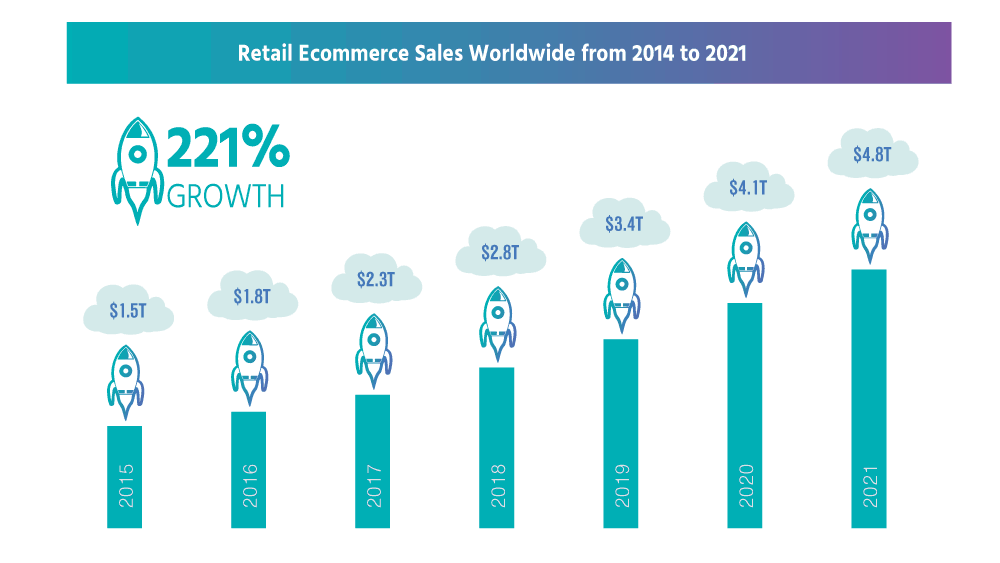
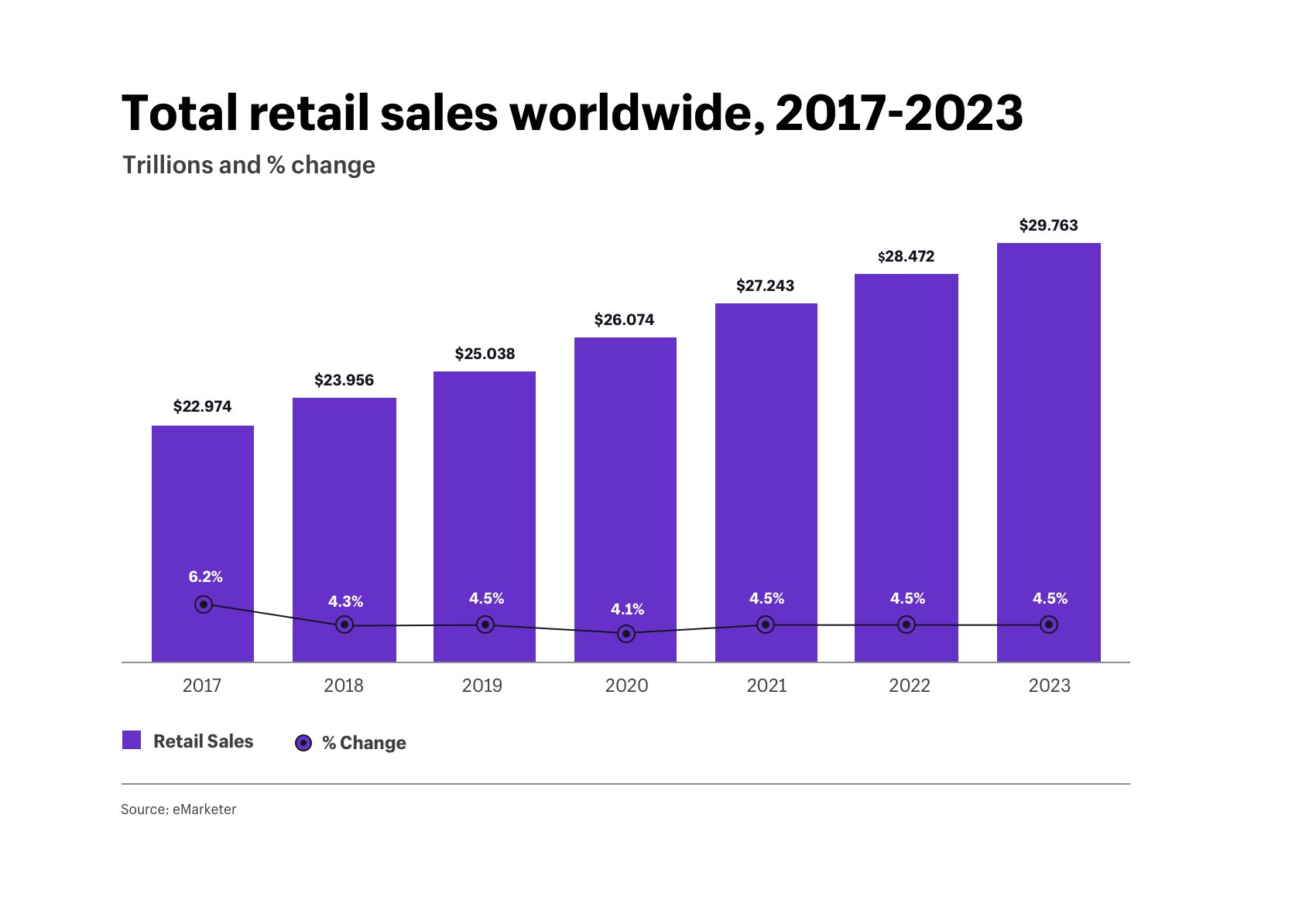
Whilst these 2 Charts are from different sources and slightly different years , it helps to illustrate the way retail is moving

There are broadly 3 types of B2C operators

Those who sell on the market places eg Amazon, eBay & Etsy etc

Those that operate their own Web shops

The Third being those who operate on both

Let’s examine the the second ie those who trade via their own web shops.

Before doing that it is important to make thing clear about online operators , for the most part they do not operate on the High Street therefore their rent and rates will tend to be lower than a Bricks and mortar equivalent per square metre. There ends in my view their main economic cost benefit .

Basic Higher Costs for Web shop operators Vs Bricks and Mortar

1.Unit size tends to be much larger than equivalent bricks and mortar
2.Stock holding is likely to be much higher
3.Technology both hard and soft high cost of entry due to much greater demands on the systems
4.Greater number of SKUs-Independent brick and mortar (in Party) maybe 6000+ ,web shop more like 30,000+
5.Can take up to 30 minutes to load one new product onto a web shop (that is similar for the market places, if not more so)
6.Very high cost of marketing or web awareness. It would be no exaggeration to say this can be in 6 figures
7. High cost to maintain awareness
8. Cost to deliver (no cost to Bricks and mortar). Current major issue is a problem concerning shortages of drivers
9. High cost to maintaining customer loyalty (Since there is no face-to-face interaction like in a retail store, the development of trust and loyalty takes more time and effort in eCommerce)
10. Cost of returns (Over 60% of online shoppers look at a shop’s return policy before making a purchase.)
11. Cost to pick and pack
12. Increasing IT requirements such as data analysts

These are just some of the cost issues. Other barriers facing B2C e commerce platforms are (all involve cost at some point)

Online identity verification
Overall cyber security
Shopping Cart Abandonment (apparently this can amount to anything between 60-80% )

Many of these issues can be offset by using the market places such as Amazon & eBay. Yet these have their own pitfalls in terms of there is, of course a cost, pricing is very aggressive, you can be competing against a far bigger supply chain, and you are reliant upon the whims the platform you are using and subject to their rules.

Here’s a fascinating little fact

It takes about 50 milliseconds (that’s 0.05 seconds) for users to form an opinion about your website that determines whether they like your site or not, whether they’ll stay or leave.

sweor.com


and another …….

47% of Users expect a maximum of 2 seconds loading time for an average website

sweor.com

yet another ….

Users spend an average of 5.59 seconds looking at a website’s written content

sweor.com

Take the sum of these 3 stats and you are not looking 8 seconds in total. It takes that long to walk into a shop before you have begun to get an impression of what is on offer. That said there are some retailers where I have made a very precise decision not to enter in a fraction of that time , which will say loads about those particular shops.

The following diagram may also illustrate how being an online seller is not that straight forward. Show me a bricks and mortar retailer that is faced with any of these dilemmas.

Governments have talked much about taxing the ‘ so called‘ advantages of the online operators . There maybe an argument for the likes of Amazon, but for the rest it is taking a sledge hammer to crack a nut. There has never been an argument for additional taxation for the supermarkets .  Tesco & Sainsburys alone take over 42% of the market. Who had it before they existed (as supermarkets) ? The independent retailer . It is how retail evolves. The market place has to adapt as it always has. Nobody said it was going to be easy.

No Retailing is easy. It never has been, and it wont get any easier. It has to evolve to survive. There will always be the ‘naysayers’. Online is here to stay and so are good bricks and mortar retailers , we started with Bowie so I’ll finish with Ike & Tina Turner

Working together we can make a change

Working together we can help better things

Ike & Tina Turner 1970

Bit of a shame Ike didn’t think more about some of the words he sung , but that does not detract from the essence .

Shortages…..what do you mean? We are not in the middle of a bloody war !

National archives (Note: Fires not Fries)

Toilet rolls …No. Sanitisers ….No. Pasta….No. Chips….Yes.

Now before you start calling your local chippy and Pre-Ordering your month’s requirements or buying a new freezer to keep a years worth of frozen chips, it is not the tasty sort we are talking about.

Jaguar Land Rover, Ford, Volkswagen, Tesla to name but a few are cutting back on production because there is a shortage of semi conductor chips that are used in modern day vehicles. This has come about because during the pandemic there was a huge drop in demand from the automotive industry so chip makers switched to chips for laptops, electronic gadgets, and mobile devices etc as the demand spiralled .

Yet this is just the tip of a veritable iceberg. Just go into your local supermarkets, and look carefully at the shelves, you will start to see a lot of stuff missing . Construction materials , medicines, bikes, and many food products are just a growing list of products that are going to be hard to get over the next six months .

The construction materials shortage has impacted self builders, renovators and DIYers, and further problems are expected

Jack Woodfield Homebuilding & Renovating

There is currently a global shortage of raw material shortages, stemming from global demand and other external factors (including the slowdown and in some instances, factory closures, outside the UK), which continues to constrain production of certain products, such as insulation, paints and adhesives, as well as packaging for products.

Jack Woodfield Homebuilding & Renovating

Samsung warns chip crisis could lead to shortage in TVs and home gadgets

Samsung’s chip division saw profits drop after it had to close vital US factories in February James Cook ,Telegraph April 2021

A combination of covid, major supply chain disruption , demand changes , cost and organisational issues within world shipping have created that oft used phrase a perfect storm.

What may come as a little bit of a surprise to some (but not perhaps those within our own industry ) is that you may not be able to not be able to pop into your local Party store , or your favourite party web site and buy the latex balloon of your dream. The worlds latex balloon manufactures are being faced with exactly the same problems as that of rest of worlds supply chain.

  • Extraordinary demand (throughout Covid)
  • Shortages of raw materials
  • Manufacturing limitations due to covid restrictions
  • Shipping disruptions

The following is an an extract from a statement put out by the Balloon Council of America (Organisation representing major Latex Balloon Manufacturers in the Americas.)

Industry Update: Growth and Supply Chain Impact
It has been over a year since the pandemic began impacting our lives and business. As leaders in the balloon
community, it is important that we address the disruptions in the supply chain that the industry continues to
experience.
Although we are shipping large quantities of balloons, we have seen a marked increase in demand and the reality
is COVID-19 continues to impact all segments of our industry. Some of the challenges that we faced early on
continue to cause disruptions and impact the overall business.
• COVID-19 has continued to impact employees. Safety is essential. In many companies, new work rules,
social distancing, and physical barriers have been necessary to ensure a safe work environment and these
changes usually mean a reduction of efficiency and output. We have also faced challenges in finding and
retaining employees during these challenging times.
• Balloons are an element of a global supply chain, and many suppliers, both here in the U.S. and overseas
that we don’t control, have been similarly hit, impacting their ability to deliver raw materials or services.
This has been an ongoing issue in the past year.
• The whole supply chain, including freight companies, continues to struggle to operate efficiently and has
not been as predictable pre-COVID-19.
We know this is frustrating for balloon buyers at all levels. Manufacturers, related products suppliers, and
distributors are doing everything in our power to ramp up volume and responsiveness. TBC members are trying
hard to control the things we can, such as increasing production capacity, asking our employees to work overtime
and recruiting additional workers.
It will take more time for the supply chain to reset but we are tirelessly working to achieve our goal to return to
pre-COVID-19 service levels as quickly as we are able.
The global vaccination effort currently underway offers a beacon of hope that a return to normality is a possibility
in the not-so-distant future. That said, every day we are hearing stories about new variants that may or may not
respond to the existing vaccines. Few expected the pandemic would be this severe for this long, and none of us can
really project when its impact to industry will be over.
Balloons have brought joy to many people throughout the pandemic. As an industry, we are committed to doing
everything possible to get business back to pre-COVID-19 service levels. We are all working to make that day come
soon, and our teams won’t be satisfied until we achieve that.
Thank you on behalf of all the manufacturers and distributors who are TBC members for your patience and
understanding during these challenging times.

I make no apologies about the length of this specific extract as hopefully it will be of interest to the odd reader who is involved within the party industry and it would be remiss of me if I did not highlight these problems, particular as this product has put food on the plates in our household for many years.

Moreover, these issues are the very same (or similar) facing the entire supply chain in many product areas.

Most consumers wont even notice , or rather they may have difficulty in getting their brand , but there will be an alternative. Yet higher up the supply chain, the pain will be greater. Because of the way the supply chain operates in most markets, it is just not that straightforward in finding another supplier.

What does of course happen when supply dips , and demand remains constant or increases then so do prices.

Yet we are not at war. Well maybe we are in a sense, of all trying to fight a virus, which is complex enough but then putting into the mix the complexities of world trade, there is a inevitably about the impact of the supply of goods and services. Despite this ‘inevitability’ , none of us actually know what is going to happen from day to day . So if you cant get exactly what you want today, but you want exactly what you want, hang on a bit and you will probably get it. If you don’t want to wait buy something else.